Your store has ten days to answer the USDA.
SNAP violation defense for retailers, nationwide. A charge letter from the Food and Nutrition Service isn’t a court summons and it doesn’t wait for you to find a lawyer. It gives you ten days from receipt under 7 CFR 278.6(b)(1). What goes into the file during those ten days decides whether the authorization survives - and in a trafficking case, whether the civil money penalty stays available at all.
TO RESPOND
YEAR IN PRACTICE
SEVEN REGIONS
REVIEWS
NOT A SERVICE
We owe loyalty to only you.
When you’re looking online, you have multiple options. There are so many firms advertising SNAP defense. Thankfully, your search is over. Spodek Law Group P.C. offers premier white-glove service and we’re unafraid of fighting. Unlike firms that are more focused on their relationship with the agency than with you, we owe loyalty to only YOU. Your store, your family, your license.
One reason our firm has such a high success rate is that we’re selective about who we work with. If we’re choosing to work with you, it’s because we think we can make a positive impact. That’s vastly different from firms that take on any client willing to pay. When you reach out, you start with a risk-free consultation - and you can ask us anything you want, regardless of how long it takes.
If there’s a way to keep your store in the program, we’ll find it. That’s the whole job.
Six sentences decide the case. Here is what each one is doing.
Owners read the letter and stop at the word permanent. Read it the way the agency wrote it. Tap a marked line.
FOOD AND NUTRITION SERVICE · RETAILER OPERATIONS DIVISION
Nobody watched your register. A computer read your receipts.
Most charge letters begin with the Anti-Fraud Locator using EBT Retailer Transactions - ALERT. It compares your redemption pattern against stores of similar size and type nearby, then prints the outliers as your attachment. Some cases add an undercover buy. Most do not.
An outlier isn’t a crime. It’s a question the store can answer - if the answer is filed in the ten days.
The regulation prices every allegation before anyone reads your side.
Find the language from your letter in the left column. That’s the number the agency starts from - and the number a response is built to move.
Pay a penalty. Keep the store open.
In a trafficking case there’s one door out of permanent, and it’s a civil money penalty in lieu. You have to ask for it in writing inside the same ten days, and you have to prove all four criteria by substantial evidence. Four of four. Three is a denial.
Ask late and the door isn’t narrower. It’s gone - 278.6(b)(2)(iii) forecloses it permanently.
Four decision points. Two of them are ten days wide.
ALERT compares you to your neighbors. So does the defense.
A halal butcher’s ticket, a gas station’s basket, a bodega on the first of the month - each has a normal the algorithm doesn’t model. That’s the argument.
Authorizations kept. Permanent bars reduced.
When the biggest cases break, we get the call. That same team answers your ten days.
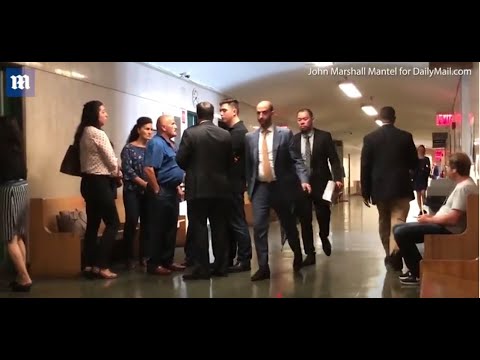
Reproduced verbatim, spelling and all.
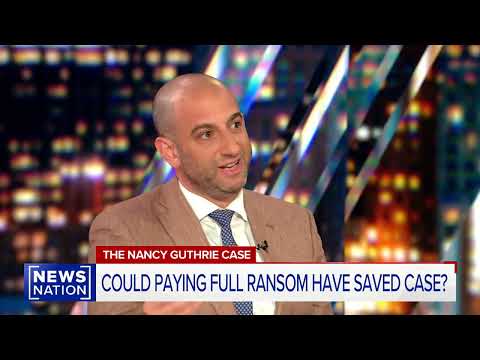
When the networks need a federal file explained in plain English, they call us.
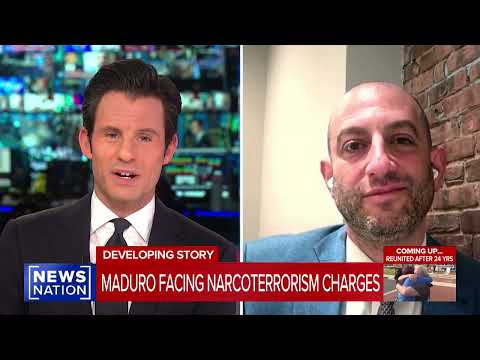

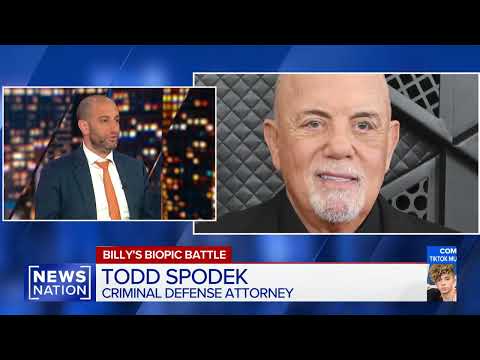
This bench answers its own phone. Put it on your case.







A charge letter isn’t a verdict. It’s a deadline with a sanction attached - and deadlines are winnable if you treat day one like day nine.
Second-generation trial lawyer, in practice since 1976 as a firm. The office that has handled the cases the press followed handles the ones nobody covers the same way: read the file, find the record the government didn’t have, and put it in before the decision instead of after.
RETAILER DEFENSE
NATIONWIDE
UPDATED 2026
What a USDA SNAP violation case actually is, and where it’s won
Start with what it’s not. There’s no arrest, no arraignment, no judge, and in most cases no prosecutor. A SNAP violation case begins as an administrative action by the Retailer Operations Division of USDA’s Food and Nutrition Service, and it arrives by certified mail. That difference matters, because the protections owners assume they have don’t attach here. Nobody reads you rights. Nobody appoints counsel. The agency has already reviewed the evidence and picked a sanction before you knew a case existed.
The evidence is usually data. FNS runs every authorized retailer’s redemptions through the Anti-Fraud Locator using EBT Retailer Transactions, and the system scores your store against comparable stores nearby. When your pattern diverges - too many large baskets, benefits drained in single swipes, repeat identical amounts, volume your shelf space can’t explain - the divergence gets printed as an attachment to a charge letter. Some cases add undercover buys, which produce a different kind of file. Data cases are more common, and they’re the ones most often beatable, because a pattern has more than one explanation and the agency only modeled one.
Then comes the part owners underestimate. The letter gives ten days from receipt to respond, under 7 CFR 278.6(b)(1), and FNS doesn’t extend it. If trafficking is charged - benefits exchanged for cash or anything other than eligible food - the default sanction is permanent disqualification under 278.6(e)(1), and it applies whether the owner knew or not, because the regulation reaches conduct by personnel of the firm. One clerk, one swap, one bad month, and the authorization the store was built on is gone.
Inside those ten days sits the only real lifeline. A firm charged with trafficking may ask FNS to impose a civil money penalty in lieu of permanent disqualification, and if the request is granted the store keeps accepting benefits. The request has to be in writing, it has to come inside the ten days, and it has to be supported by substantial evidence on all four criteria of 278.6(i): a written compliance policy, that policy in operation at this location before the violations, documented employee training, and ownership that didn’t know of, approve of, benefit from, or take part in the conduct. Fail one criterion and the request fails. Miss the deadline and 278.6(b)(2)(iii) makes the store permanently ineligible for the penalty - not later, ever. That single sentence closes more stores than the trafficking allegation does.
A serious response isn’t a letter saying you did nothing wrong. It’s a rebuilt record. Transaction by transaction against the attachment: who the customer was, what they bought, why the ticket was that size. Wholesale invoices and inventory counts that show the food existed to sell. Register and scanner data. Photographs of the aisles and coolers. Signed statements. The employee file, dated, with the training records that predate the flagged days. When those documents exist, the case changes character - and when they don’t exist yet, there’s often a lawful way to establish what the store’s practice actually was.
If the determination goes against you, two doors remain. A written request for administrative review moves the file out of the region that charged you to an Administrative Review Officer, and new evidence is allowed there. If the final agency decision still stands, 7 U.S.C. 2023 allows a complaint in federal district court within thirty days, and the review is de novo - the court decides the validity of the action on the evidence, not on deference to what FNS concluded. Both doors are narrower than the ten-day window, and both are far more expensive than getting the first response right.
If a charge letter is on your counter, the useful question isn’t whether the allegation is fair. It’s what can be documented before the tenth day. Call us and we’ll read the letter with you today. It’s risk-free, it’s confidential, and you can ask us anything.
Tell us what happened. Eight fields, two minutes - and a lawyer reads it today.

Read us the first line of the letter. We’ll tell you what day you’re on.
Charge letter, determination, denial, or a call from an investigator - the consultation costs nothing, stays between us, and happens today. Bring the envelope, the attachment, and your invoices if you have them. If you do not, bring the letter.