A DENIAL IS APPEALABLE ON THE SAME SHORT TIMELINE AS A SANCTION
212 300 5196
SNAPVIOLATIONS.COM / VIOLATIONS / APPLICATION DENIED
AUTHORIZATION · DENIAL · WITHDRAWAL · 7 CFR 278.1

You were told no, and the letter didn’t really say why.

Denials read like form letters and they’re not. FNS refuses or withdraws authorization for specific reasons - eligible stock that didn’t meet the staple-food thresholds, a business-integrity concern, an owner connected to a prior sanction, or paperwork that didn’t match what the inspector saw. Each of those is answerable with documents, and each has a deadline that behaves like the sanction deadlines: short, and unforgiving.

THE DECISION AT A GLANCE
DEFAULT SANCTION
No authorization to accept SNAP
YOUR WINDOW
Per the letter, usually 10 days
WAY OUT
A corrected record, or a clean reapplication
Stock photographs, invoices, shelf counts, ownership documents and a written response to the stated ground.
WHY IT MATTERS NOW
Every month without authorization is revenue gone, and a denial on the record makes the next application harder, not easier.
WHO IS DEFENDING YOUR STORE
If you’re reading this, USDA is threatening your store and you need serious help - we get it. Spodek Law Group P.C. is second generation, practicing since 1976, and dramatized in Netflix’s Inventing Anna. We owe loyalty to only you.
1976SINCE
50STATES
1,100+5-STAR REVIEWS
24/7A PERSON ANSWERS
THE FIRM · WHY US

We owe loyalty to only you.

When you’re looking online, you have multiple options. There are so many firms advertising SNAP defense. Thankfully, your search is over. Spodek Law Group P.C. offers premier white-glove service and we’re unafraid of fighting. Unlike firms that are more focused on their relationship with the agency than with you, we owe loyalty to only YOU. Your store, your family, your license.

One reason our firm has such a high success rate is that we’re selective about who we work with. If we’re choosing to work with you, it’s because we think we can make a positive impact. That’s vastly different from firms that take on any client willing to pay. When you reach out, you start with a risk-free consultation - and you can ask us anything you want, regardless of how long it takes.

If there’s a way to keep your store in the program, we’ll find it. That’s the whole job.

Start with the risk-free consultation NO OBLIGATION · CONFIDENTIAL · 24/7
THE SIMPLE BELIEF
We should only take on clients we can actually help.
01 · A PERSON ANSWERS
Not a service, not a call center. Day or night, an attorney picks up - and strategy starts the day you call.
02 · TRANSPARENT FEES
We’re transparent about what this costs. There are no surprises, and we’re committed to fighting for your case irrespective of your ability to pay.
03 · NATIONWIDE, COAST TO COAST
One of the few firms with a fully online client portal - every filing, invoice and document, from day one, wherever your store is.
★★★★★ 1,100+ FIVE-STAR GOOGLE REVIEWS
WHY APPLICATIONS ARE ACTUALLY REFUSED

Four grounds cover almost every denial we read.

01
Staple stock
The store didn’t show enough depth and variety of staple foods across the required categories, or didn’t show the perishables the criteria contemplate. Inspections happen on one day, and one thin shelf can decide it.
02
Business integrity
A conviction, a civil judgment, an unpaid federal debt, or a prior program sanction attached to an owner or officer. FNS screens people, not just storefronts.
03
A prior sanction
Where a principal was tied to a disqualified firm, the new application inherits the problem. This is the most common reason a family restructuring fails.
04
Paperwork mismatch
Ownership documents, leases, tax identification and the application answers have to agree with each other and with what the inspector observed. Small inconsistencies read as integrity issues.
05
Withdrawal after authorization
Authorization can be withdrawn later - failure to meet stock criteria on a follow-up visit, a change of ownership not reported, or a business practice inconsistent with the program.
06
The follow-on effect
A denial sits on the record. Reapplying without fixing the stated ground usually produces the same answer, and the second denial is harder to unwind than the first.
FREE DEADLINE CHECK
Tell us the date on the envelope. We’ll tell you what day you’re on.
Risk-free, no obligation, answered the same day. A person answers - not a service.
THE DEFENSE · FIVE MOVES

A denial is a factual claim about your store. Contradict it.

The inspector saw one hour of one day. Your invoices, your shelf photographs and your supplier records describe the store as it actually operates - and that’s the evidence that moves a denial.

Get the denial reviewed
01
Read the stated ground precisely
Stock, integrity, a prior sanction and paperwork are answered with completely different evidence. Responding to the wrong ground wastes the only response you get.
02
Photograph and count
Shelf-by-shelf photographs against the staple categories, with dates. Depth and variety are countable, and a documented count beats an inspector’s impression.
03
Produce the invoices
Wholesale purchases for the weeks around the visit show what the store stocks in the ordinary course, including the perishables that sell out fastest.
04
Separate the people
Where a prior sanction is the ground, ownership documents, corporate records and financial separation are the case. Vague assurances about who really runs the store make it worse.
05
Fix before reapplying
If the ground is real, correct it and document the correction before the next application. A denial on the record is a headwind on every future filing.
THE RESPONSE WINDOW · WHAT TO PULL TONIGHT

Four kinds of proof answer nearly every denial.

Walk us through them →
SHELF PHOTOGRAPHS
Dated, category by category, including coolers and freezers. Take them today even if the visit was months ago - practice evidence still matters.
WHOLESALE INVOICES
Every supplier, the weeks around the inspection. Depth of stock is easiest to prove with purchases, not adjectives.
OWNERSHIP FILE
Formation documents, the lease, tax identification, and anything establishing who owns and controls the business today.
THE LETTER ITSELF
The stated ground and the deadline. Both drive everything else, and both are frequently misread by owners answering from memory.
THE BRIEFING
APPLICATION DENIED
7 CFR 278.1
RETAILER DEFENSE
UPDATED 2026
ON CALL 24/7
212 300 5196

When FNS says no: denials, withdrawals, and how they get reversed

Authorization decisions get far less attention than sanctions and they end just as many stores. A denial or a withdrawal means the terminal never turns on, or stops - and for a small grocery where EBT is a large share of sales, that’s an existential fact rather than an administrative one. The letters tend to be brief and formulaic, which leads owners to assume there’s nothing to answer. There almost always is.

The most common ground is stock. FNS authorization criteria look for depth and variety of staple foods across categories, including perishables, and the assessment happens during a single visit. A delivery that had not landed, a cooler being repaired, or a slow week on produce can produce a finding that doesn’t describe the store at all. That finding is answerable with dated shelf photographs, category counts, and wholesale invoices showing what the store buys in the ordinary course.

The second ground is business integrity, and it’s about people. FNS screens owners and officers for convictions, civil judgments, unpaid federal debt and prior program sanctions. Where a principal was connected to a disqualified firm, the application inherits that history - which is why family restructurings after a sanction so reliably fail. Answering this ground is a documentary exercise about ownership and control, and it has to be precise, because anything that looks like concealment converts a stock question into an integrity question.

Withdrawal after authorization works the same way in reverse. A follow-up visit that finds the store below criteria, an unreported change of ownership, or a business practice the agency reads as inconsistent with the program can end an authorization the store has held for years. Timelines here are short and behave like sanction timelines, so the letter’s stated deadline governs everything.

One strategic point matters more than any other: reapplying without curing the stated ground usually reproduces the same result, and a second denial is harder to unwind than the first. Where the ground is factual and wrong, answer it with evidence now. Where the ground is real - thin staple stock, an integrity problem, an ownership entanglement - fix it, document the fix, and then file. The order of those steps is the difference between six weeks and a year.

If a denial or withdrawal letter is on your desk, call today with the letter and your last month of invoices. The response window is short and the evidence that answers it’s already in your store.

GENERAL INFORMATION · NOT LEGAL ADVICE · NO ATTORNEY-CLIENT RELATIONSHIP Speak with counsel now →
THE BENCH

This bench answers its own phone. Put it on your case.
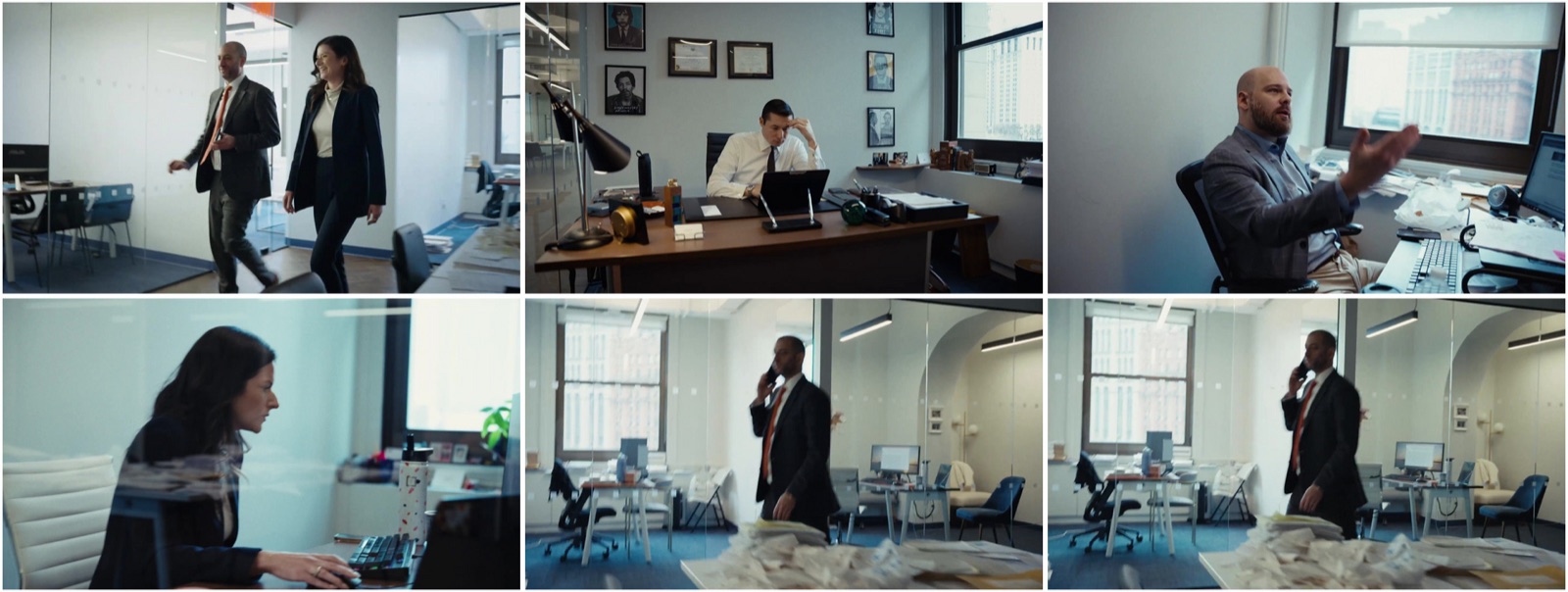
Second generation, practicing since 1976. Your case isn’t handed to a paralegal and a template - a lawyer reads the attachment, calls your wholesaler, and drafts the response. Every client holds the senior partner’s cell number.
Spodek Law Group - the team
SPODEK LAW GROUP P.C. · NEW YORK
Todd Spodek
Todd Spodek
MANAGING PARTNER
Ralph Franco
Ralph Franco
SPODEK LAW GROUP P.C.
Jeremy Feigenbaum
Jeremy Feigenbaum
SPODEK LAW GROUP P.C.
Claire Banks
Claire Banks
SPODEK LAW GROUP P.C.
Alex Zhik
Alex Zhik
SPODEK LAW GROUP P.C.
QUESTIONS · DENIALS AND WITHDRAWALS
01 They inspected on a slow day. Does that count?
It counts as evidence, not as truth. A single visit’s a snapshot, and dated photographs plus wholesale invoices from the surrounding weeks are how you show what the store actually stocks. File both with a written response to the specific ground stated in the letter.
02 My brother was disqualified. Can I still be authorized?
It depends on ownership and control, and it will be examined closely. Corporate documents, financing records and operational separation are the case. What sinks these applications is an arrangement that looks like the sanctioned owner still running the store through someone else.
03 Can I just reapply next month?
You can, and it usually produces the same answer unless the stated ground has been cured and documented. Two denials are worse than one. Fix first, file second.
04 They withdrew an authorization I have had for years.
Withdrawals happen after follow-up visits, unreported ownership changes, or practices the agency reads as inconsistent with the program. The response deadline is short and the evidence is the same as a denial - stock proof, invoices and a clean ownership record.
SEND THE LETTER TO COUNSEL

Tell us what happened. Eight fields, two minutes - and a lawyer reads it today.

RISK FREE · CONFIDENTIAL · ANSWERED WITHIN 24 HOURS, GUARANTEED
Counsel reading a client file
WHAT HAPPENS NEXT
Today. A lawyer reads the letter and fixes your real deadline from the receipt date. You’ll know where you stand before we hang up.
Day one. If trafficking is charged, the written penalty request goes in immediately.
Days two to nine. Invoices, register data, inventory and the compliance file get assembled.
Before day ten. The response is filed, transaction by transaction, with exhibits.
★★★★★ 1,100+ FIVE-STAR GOOGLE REVIEWS
THE ASK

Read us the first line of the letter. We’ll tell you what day you’re on.

Bring the envelope, the attachment, and your invoices if you have them. If you don’t have them, bring the letter. The consultation is risk-free, it stays between us, and it happens today - ask us anything, regardless of how long it takes.

Call 212 300 5196
24/7 · CONFIDENTIAL · NATIONWIDE
THE HARD RULES, IN ONE PLACE
Answer the ground the letter actually states. Stock is proven with dated photographs and invoices. Integrity grounds are about people, not the storefront. Reapplying without curing the ground repeats the denial. Deadlines behave like sanction deadlines - short and firm.
Call now · 212 300 5196