A FULL GROCERY CAN PROVE ITS REDEMPTIONS. MOST NEVER TRY
212 300 5196
SNAPVIOLATIONS.COM / VIOLATIONS / INDEPENDENT GROCERS
BY STORE TYPE · INDEPENDENT GROCERS

You have the records a supermarket has. Use them like one.

Independent grocers are charged less often than corner stores and lose more when they are, because the dollar figures are larger and the civil money penalty formula runs off redemption volume. The advantage is that a real grocery keeps real records - scanning POS, multiple registers, weekly wholesale deliveries, inventory counts. Almost every claim in a charge letter can be tested against those systems, if the response is built like an audit instead of a letter.

THE EXPOSURE AT A GLANCE
DEFAULT SANCTION
Trafficking, or an ineligible-item term
YOUR WINDOW
10 days from receipt of the charge letter
WAY OUT
An inventory-to-redemption reconciliation
Purchases, sales, shrink and register data reconciled across the review period, register by register.
WHY GROCERS
Higher volume means a higher penalty formula - and better records to defend with.
WHO IS DEFENDING YOUR STORE
If you’re reading this, USDA is threatening your store and you need serious help - we get it. Spodek Law Group P.C. is second generation, practicing since 1976, and dramatized in Netflix’s Inventing Anna. We owe loyalty to only you.
1976SINCE
50STATES
1,100+5-STAR REVIEWS
24/7A PERSON ANSWERS
THE FIRM · WHY US

We owe loyalty to only you.

When you’re looking online, you have multiple options. There are so many firms advertising SNAP defense. Thankfully, your search is over. Spodek Law Group P.C. offers premier white-glove service and we’re unafraid of fighting. Unlike firms that are more focused on their relationship with the agency than with you, we owe loyalty to only YOU. Your store, your family, your license.

One reason our firm has such a high success rate is that we’re selective about who we work with. If we’re choosing to work with you, it’s because we think we can make a positive impact. That’s vastly different from firms that take on any client willing to pay. When you reach out, you start with a risk-free consultation - and you can ask us anything you want, regardless of how long it takes.

If there’s a way to keep your store in the program, we’ll find it. That’s the whole job.

Start with the risk-free consultation NO OBLIGATION · CONFIDENTIAL · 24/7
THE SIMPLE BELIEF
We should only take on clients we can actually help.
01 · A PERSON ANSWERS
Not a service, not a call center. Day or night, an attorney picks up - and strategy starts the day you call.
02 · TRANSPARENT FEES
We’re transparent about what this costs. There are no surprises, and we’re committed to fighting for your case irrespective of your ability to pay.
03 · NATIONWIDE, COAST TO COAST
One of the few firms with a fully online client portal - every filing, invoice and document, from day one, wherever your store is.
★★★★★ 1,100+ FIVE-STAR GOOGLE REVIEWS
WHAT GETS FLAGGED AT A FULL GROCERY

Six things that look wrong in aggregate and are ordinary in the aisles.

01
Redemptions above the model
Volume out of line with comparable stores. In a food desert, being the only real grocery for miles produces exactly that.
02
Large baskets
Weekly family shops of two hundred dollars are normal in a grocery and abnormal in the comparison set the model builds.
03
Multiple swipes per household
A card used at the deli, again at checkout, again the next day. Multi-department stores generate transaction counts that read as suspicious.
04
Manual entry
Damaged cards keyed at a service desk. Legitimate, common, and visible on a printout as an outlier.
05
Employee conduct
Trafficking by one cashier out of forty is attributed to the firm. Scale increases both the risk and the value of a documented compliance program.
06
Deli and hot bar
Prepared foods sit beside eligible groceries, and a hot bar sale rung to EBT is an ineligible-item violation regardless of intent.
FREE DEADLINE CHECK
Tell us the date on the envelope. We’ll tell you what day you’re on.
Risk-free, no obligation, answered the same day. A person answers - not a service.
THE DEFENSE · FIVE MOVES

Reconcile the store. That’s the defense.

A grocery can do what a bodega cannot: show that purchases, sales and inventory tie out across the review period. When the food demonstrably existed and was demonstrably sold, the inference that benefits left as cash collapses.

Build the reconciliation
01
Reconcile purchases to sales
Wholesale invoices, warehouse deliveries and DSD records against departmental sales for the same period, with shrink accounted for.
02
Export by register and department
Which lane, which department, which shift. Concentration in one lane points to one employee rather than a store practice.
03
Isolate the employee
Scheduling, till assignment and void or manual-entry logs. Where a single cashier is responsible, the case becomes a criteria-4 case rather than a store case.
04
Separate the hot bar
Departmental data showing prepared-food sales and their tender types. Ineligible-item exposure should be quantified by you, not estimated by the agency.
05
Attack the penalty formula
The CMP is built from average monthly redemptions across a period FNS selects. For a high-volume grocer, correcting the volume or narrowing the period is worth serious money.
THE TEN DAYS · WHAT TO PULL TONIGHT

Four systems your store already runs.

Walk us through them →
PURCHASE LEDGER
Warehouse, DSD and produce invoices for the full review period. This is the backbone of the reconciliation.
POS BY LANE
Transaction exports with register, department, cashier and tender. Detail is your advantage here - use all of it.
INVENTORY COUNTS
Any physical counts, cycle counts or shrink reports touching the period.
COMPLIANCE BINDER
Written policy, onboarding materials, signed training for every cashier, and the write-up history.
THE BRIEFING
INDEPENDENT GROCER DEFENSE
USDA FNS · 7 CFR 278.6
RETAILER DEFENSE
UPDATED 2026
ON CALL 24/7
212 300 5196

Defending a full-service grocery against a SNAP charge letter

When FNS charges an independent grocery, the stakes are different from a corner store case. Redemption volume is higher, so the civil money penalty formula - built from average monthly SNAP redemptions - produces much larger numbers, and the business usually carries debt, leases and payroll that can’t survive an interruption. The compensating advantage is documentation. A real grocery runs scanning point-of-sale across multiple lanes, receives weekly warehouse and direct-store deliveries, and counts inventory. Very little in a charge letter can’t be tested against those systems.

The strongest move available to a grocer is a reconciliation. Take the review period, assemble every purchase - warehouse, DSD, produce, dairy, meat - and set it against departmental sales with shrink accounted for. If the store bought the food and sold the food, the theory that benefits were exchanged for cash has to explain where the groceries went. Very few charge letters survive that exercise intact, and no bodega can perform it. Grocers can, and most never do because nobody asks them to inside ten days.

The second move is granularity. Export transactions by register, department, cashier and tender type. Aggregate data hides what detail reveals: if the flagged activity concentrates in one lane on one shift, the case is about an employee rather than a practice, which reframes it entirely. That reframing is the substance of criterion 4 of 278.6(i) - ownership not knowing of, approving, benefiting from or participating in the conduct - and it’s what preserves a civil money penalty in lieu of permanent disqualification.

Scale also creates the ineligible-item problem. Hot bars, delis and prepared-food counters sit beside eligible groceries, and prepared food for immediate consumption isn’t eligible. A store with forty cashiers will have some of these transactions. Quantifying them yourself, from departmental data, is far better than letting the agency estimate. It also keeps an ineligible-item issue from being characterized as something broader.

Finally, the number itself. Where a penalty in lieu is in play, FNS calculates it from average monthly redemptions across a period it selects, subject to the caps at 7 CFR 3.91(b)(3). For a high-volume grocer both inputs matter enormously, and both are contestable - whether the redemption figures are right, and whether the period charged is the right period. That work is worth doing carefully, because the difference is measured in tens of thousands of dollars.

If your grocery has a charge letter, start the reconciliation tonight and call in the morning. Ten days is enough time to do this properly if the work starts immediately.

GENERAL INFORMATION · NOT LEGAL ADVICE · NO ATTORNEY-CLIENT RELATIONSHIP Speak with counsel now →
THE BENCH

This bench answers its own phone. Put it on your case.
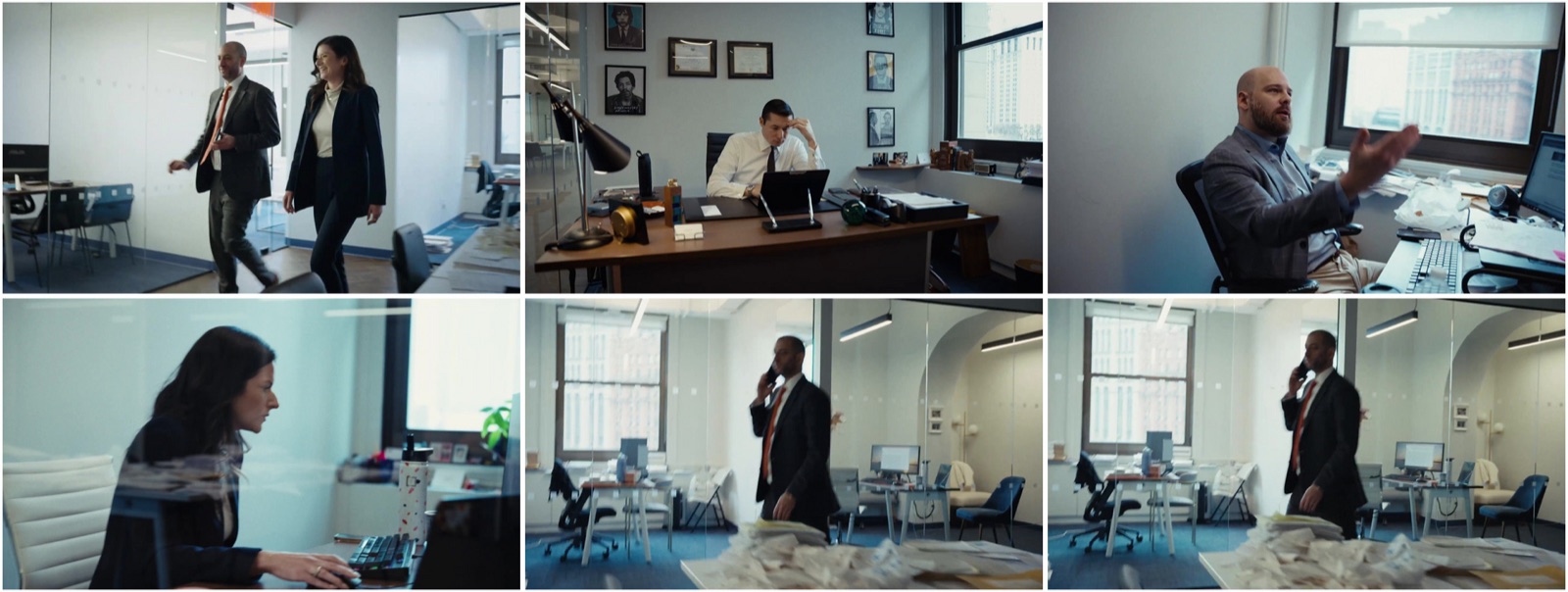
Second generation, practicing since 1976. Your case isn’t handed to a paralegal and a template - a lawyer reads the attachment, calls your wholesaler, and drafts the response. Every client holds the senior partner’s cell number.
Spodek Law Group - the team
SPODEK LAW GROUP P.C. · NEW YORK
Todd Spodek
Todd Spodek
MANAGING PARTNER
Ralph Franco
Ralph Franco
SPODEK LAW GROUP P.C.
Jeremy Feigenbaum
Jeremy Feigenbaum
SPODEK LAW GROUP P.C.
Claire Banks
Claire Banks
SPODEK LAW GROUP P.C.
Alex Zhik
Alex Zhik
SPODEK LAW GROUP P.C.
QUESTIONS · INDEPENDENT GROCERS
01 One cashier did this, out of forty. Does the store pay?
The finding attaches to the firm regardless, but the facts about who did it are what preserve the store. Till assignments, schedules, void logs and the training file support criterion 4 of 278.6(i), and that’s the route to a civil money penalty instead of permanent disqualification.
02 We’re the only grocery for miles. Is that why we were flagged?
Very likely. ALERT compares you to stores it considers comparable, and a full grocery in an underserved area has volume the comparison set can’t explain. That same fact supports a hardship argument under 278.6(f) if a term disqualification is on the table.
03 What is an inventory-to-redemption reconciliation?
Purchases against sales against shrink for the review period, department by department. It answers the central inference in a trafficking case - that money moved without food moving - and it’s the one defense a full grocery can build that a small store cannot.
04 Our hot bar takes EBT sometimes. How bad is that?
It’s an ineligible-item issue and it should be quantified by you rather than estimated by FNS. Departmental exports showing prepared-food sales and tender types let you size the exposure precisely and argue the lowest rung of 278.6(e).
SEND THE LETTER TO COUNSEL

Tell us what happened. Eight fields, two minutes - and a lawyer reads it today.

RISK FREE · CONFIDENTIAL · ANSWERED WITHIN 24 HOURS, GUARANTEED
Counsel reading a client file
WHAT HAPPENS NEXT
Today. A lawyer reads the letter and fixes your real deadline from the receipt date. You’ll know where you stand before we hang up.
Day one. If trafficking is charged, the written penalty request goes in immediately.
Days two to nine. Invoices, register data, inventory and the compliance file get assembled.
Before day ten. The response is filed, transaction by transaction, with exhibits.
★★★★★ 1,100+ FIVE-STAR GOOGLE REVIEWS
THE ASK

Read us the first line of the letter. We’ll tell you what day you’re on.

Bring the envelope, the attachment, and your invoices if you have them. If you don’t have them, bring the letter. The consultation is risk-free, it stays between us, and it happens today - ask us anything, regardless of how long it takes.

Call 212 300 5196
24/7 · CONFIDENTIAL · NATIONWIDE
THE HARD RULES, IN ONE PLACE
Ten days from receipt. No extensions. Reconcile purchases, sales and shrink - that’s the defense. Export by lane, department, cashier and tender. The penalty formula runs off your redemption volume. A single cashier is a criteria-4 case, not a store case.
Call now · 212 300 5196