A lamb order for a family of ten isn’t a suspicious transaction.
Specialty butchers and halal and kosher markets get charged more aggressively than almost any other store type, for a reason that has nothing to do with conduct. A single basket at your counter is a hundred and eighty dollars of meat cut to order for a large household, bought once a week or once a month. Against a comparison set of convenience stores, that’s an outlier on every measure ALERT tracks - basket size, balance depletion, transaction concentration. The defense is the culture, documented.
We owe loyalty to only you.
When you’re looking online, you have multiple options. There are so many firms advertising SNAP defense. Thankfully, your search is over. Spodek Law Group P.C. offers premier white-glove service and we’re unafraid of fighting. Unlike firms that are more focused on their relationship with the agency than with you, we owe loyalty to only YOU. Your store, your family, your license.
One reason our firm has such a high success rate is that we’re selective about who we work with. If we’re choosing to work with you, it’s because we think we can make a positive impact. That’s vastly different from firms that take on any client willing to pay. When you reach out, you start with a risk-free consultation - and you can ask us anything you want, regardless of how long it takes.
If there’s a way to keep your store in the program, we’ll find it. That’s the whole job.
Six ordinary facts about selling meat to large families.
Prove the meat existed and the family bought it.
This is the store type where documentary defense works best, because weight-based sales leave a paper trail: scale tickets, cut sheets, wholesale carcass invoices. Assembled properly, they answer the inference directly.
Have your letter read todayFour documents that explain a two-hundred-dollar basket.
USDA FNS · 7 CFR 278.6
RETAILER DEFENSE
UPDATED 2026
Why halal and kosher markets draw trafficking letters, and how the numbers get explained
There’s a structural unfairness in how ALERT treats specialty butchers, and it’s worth naming plainly. The system compares a store’s redemption behavior to stores it considers similar in size and type within an area. A halal market that cuts meat to order for large households, serving customers who drive in from three towns away because there’s no alternative, has no true comparable in that set. Its ordinary week - large baskets, round totals, balances spent at once, buying concentrated around observances - is the exact profile the model treats as trafficking.
That’s the bad news and also the opening. Weight-based retail leaves an unusually good paper trail. A scale ticket ties a dollar amount to a quantity of meat. A cut sheet describes what was prepared for whom. A carcass invoice shows the protein entered the building. Where a supermarket answers a flagged transaction with a POS export, a butcher can answer it with the weight of lamb that left the counter - and that’s a harder record to argue with.
The calendar matters just as much. Ramadan and Eid, Passover, and other observances concentrate a month of household buying into a handful of days, and they move on the lunar or liturgical calendar rather than the one FNS models. Laying observance dates over the flagged transaction dates frequently explains the entire anomaly in a single exhibit. So does distance: if the nearest comparable butcher is thirty miles away, bulk buying is a rational response to travel, not a signal of exchange.
Customer evidence carries real weight in this store type. Households that buy a hundred and eighty dollars of meat at a time can say so, in writing, with their family size and their reason. In cases we have read, a handful of signed customer statements paired with scale tickets changed the character of an entire attachment. The transactions didn’t change; the explanation did, and the standard the agency applies is the most probable explanation.
One practical warning about supply. Specialty wholesalers frequently operate cash-and-carry, and stores that pay cash without collecting paper lose the inventory argument even when it’s true. If nothing else comes out of reading this page, start keeping every supplier receipt tonight. In a trafficking case, purchases are how you prove the food existed, and no argument substitutes for that.
If your market has a charge letter, call today and bring the attachment, your scale tickets and your last three months of invoices. This is the store type where the documents most often win.
When the biggest cases break, we get the call. That same team answers your ten days.
When the networks need a federal file explained in plain English, they call us.


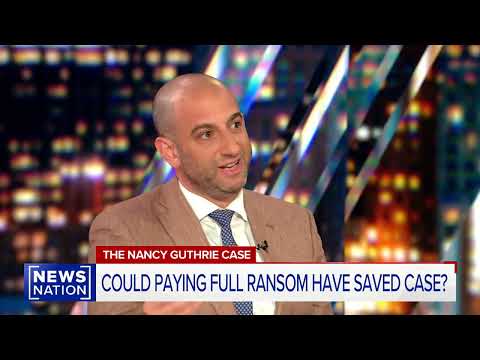
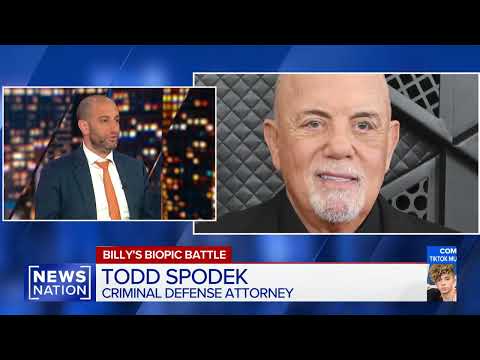
This bench answers its own phone. Put it on your case.
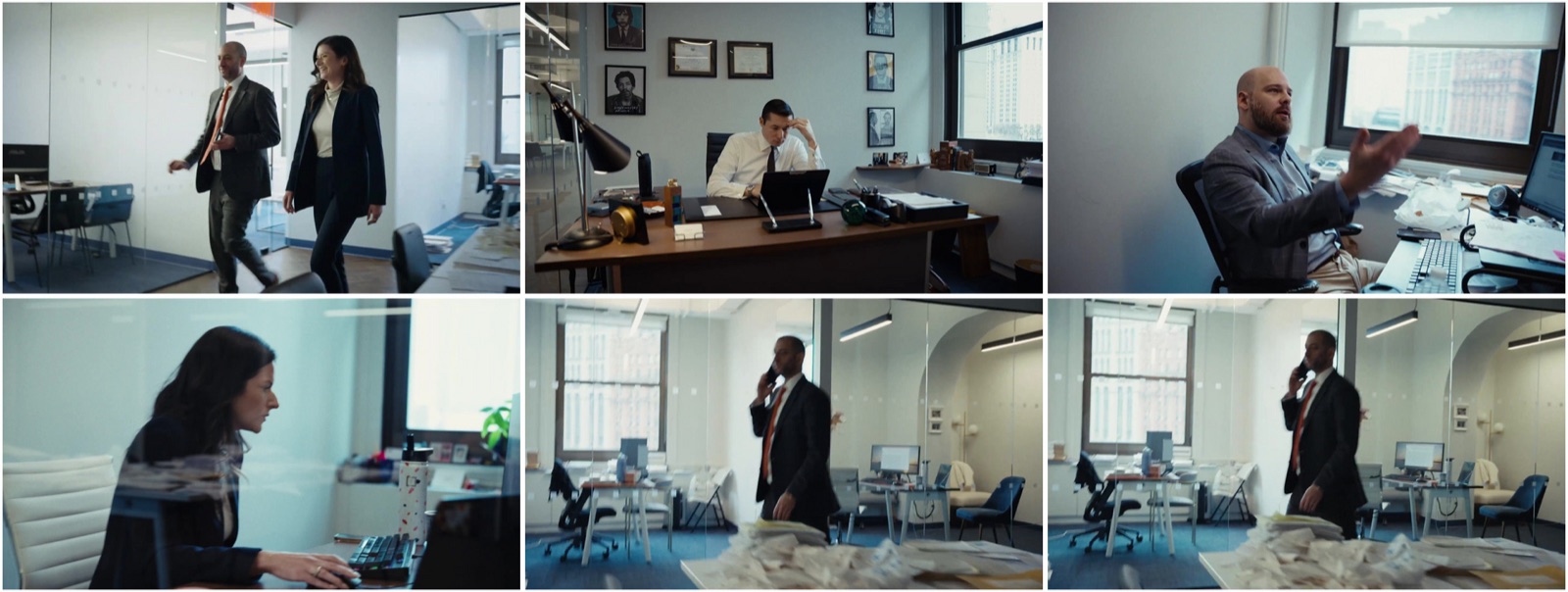





Tell us what happened. Eight fields, two minutes - and a lawyer reads it today.

Read us the first line of the letter. We’ll tell you what day you’re on.
Bring the envelope, the attachment, and your invoices if you have them. If you don’t have them, bring the letter. The consultation is risk-free, it stays between us, and it happens today - ask us anything, regardless of how long it takes.