They say benefits became cash. That charge starts at permanent.
Trafficking is the most serious allegation FNS brings against a retailer, and it’s the only one where the prescribed sanction is permanent disqualification on a first finding. It doesn’t require the owner to have been at the register. It doesn’t require a conviction. It requires the agency to conclude that personnel of the firm exchanged benefits for cash or for something other than eligible food - and then it gives you ten days to change that conclusion.
We owe loyalty to only you.
When you’re looking online, you have multiple options. There are so many firms advertising SNAP defense. Thankfully, your search is over. Spodek Law Group P.C. offers premier white-glove service and we’re unafraid of fighting. Unlike firms that are more focused on their relationship with the agency than with you, we owe loyalty to only YOU. Your store, your family, your license.
One reason our firm has such a high success rate is that we’re selective about who we work with. If we’re choosing to work with you, it’s because we think we can make a positive impact. That’s vastly different from firms that take on any client willing to pay. When you reach out, you start with a risk-free consultation - and you can ask us anything you want, regardless of how long it takes.
If there’s a way to keep your store in the program, we’ll find it. That’s the whole job.
Trafficking is a defined term. Most owners are charged with the definition, not the crime they imagine.
A trafficking case is answered with paper, in order.
There’s no oral argument stage, no hearing, no chance to be liked. Whatever gets filed in the ten days is the entire case for the store. This is the order we file it in.
Start the response todayThe documents that decide it are already in your store.
7 CFR 278.6(e)(1)
RETAILER DEFENSE
UPDATED 2026
How a SNAP trafficking charge is actually built, and how it comes apart
Almost every trafficking charge letter we read starts life as a data anomaly. FNS scores each authorized store’s redemptions against comparable stores nearby, and when a store’s pattern diverges the divergence gets printed and attached to a charge letter. Nobody visited. Nobody bought anything. A model concluded that the most probable explanation for the transactions was an exchange of benefits for cash, and the letter tells you that permanent disqualification follows.
That framing is the opening. A pattern isn’t conduct. Large baskets in a neighborhood with no supermarket, one card serving three generations of a household, meat and fish sold by weight at high ticket, a delivery service running orders through the register, a broken scanner producing a month of keyed entries, restock day landing on the first of the month - each of these produces exactly the signature the model flags. The agency modeled one explanation. Your records hold another, and the burden of putting it in front of the decision-maker falls entirely on you.
Undercover cases are different and rarer. There, an investigator has documented a specific transaction with a specific clerk, and the fight moves from the pattern to the person: who was working, what was said, whether the conduct was a single rogue act against store policy or something the owner tolerated. In both kinds of case, the regulation attributes the conduct to the firm - 278.6(e)(1) permanently disqualifies a firm where personnel of the firm have trafficked - so the argument that saves the store is rarely that nothing happened. It’s that the store had a real program against it, and that the person who broke it was breaking your rules.
Which is why the civil money penalty in lieu is the center of most trafficking defenses. FNS may impose a penalty instead of the permanent bar where the firm timely submits substantial evidence that it had established and implemented an effective compliance policy and program. The four criteria of 278.6(i) are minimum standards: a written policy, that policy operating at this location before the violations, documented personnel training, and ownership that didn’t know of, approve of, benefit from or take part in the trafficking. Fail one and the request fails. Ask outside the ten days and 278.6(b)(2)(iii) makes the store ineligible for the penalty permanently - a sentence that has closed more stores than any allegation in the file.
The number itself is built from your own redemptions. FNS calculates the trafficking penalty off average monthly SNAP volume across a preceding period, then applies the caps at 7 CFR 3.91(b)(3), which adjust for inflation annually. For a busy store the formula runs well into six figures before the cap does its work. Both inputs are challengeable - the volume figures and the length of the period charged - and payment is due in full within thirty days of the final determination, or the disqualification takes effect regardless.
If the determination goes the wrong way, two doors remain. A written request for administrative review under 7 CFR 279 moves the file to an Administrative Review Officer outside the region that charged you, and new evidence is allowed there. If the final agency decision still stands, 7 U.S.C. 2023 permits a complaint in federal district court within thirty days, reviewed de novo - the court decides the validity of the action on the evidence rather than deferring to the agency. Both are real remedies. Neither is as cheap, as fast, or as likely as getting the first ten days right.
If the word trafficking is in a letter on your counter, the clock is already running. Call us today, read us the first line, and bring the attachment. It’s risk-free, confidential, and you can ask us anything.
When the biggest cases break, we get the call. That same team answers your ten days.
When the networks need a federal file explained in plain English, they call us.
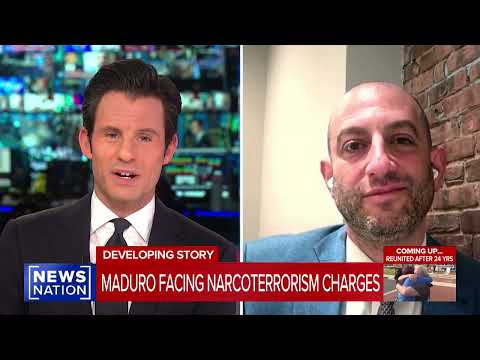

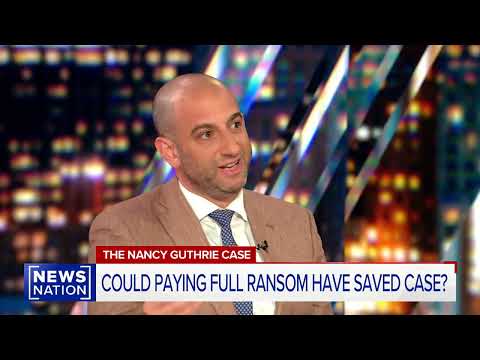
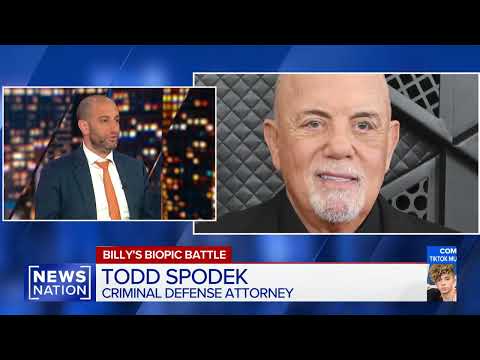
This bench answers its own phone. Put it on your case.
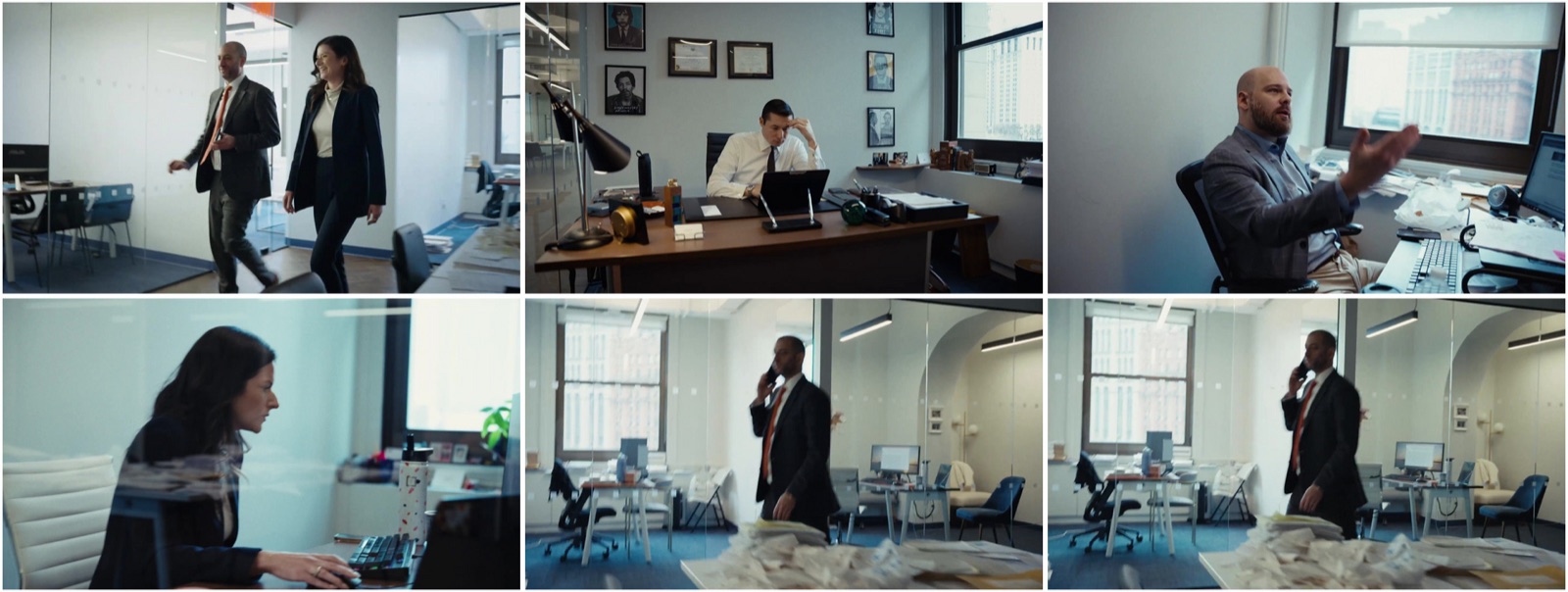




Tell us what happened. Eight fields, two minutes - and a lawyer reads it today.

Read us the first line of the letter. We’ll tell you what day you’re on.
Bring the envelope, the attachment, and your invoices if you have them. If you don’t have them, bring the letter. The consultation is risk-free, it stays between us, and it happens today - ask us anything, regardless of how long it takes.