The block shops with you every day. The algorithm calls that a pattern.
Bodegas are flagged more than any other store type, and it isn’t because bodega owners traffick more. It’s because the model compares you to stores that don’t operate the way you do. High swipe counts, small baskets, the same customers three times a week, one card serving a household of eight, credit until Friday, delivery to the third floor - every one of those is a legitimate practice that reads as an outlier on a printout.
We owe loyalty to only you.
When you’re looking online, you have multiple options. There are so many firms advertising SNAP defense. Thankfully, your search is over. Spodek Law Group P.C. offers premier white-glove service and we’re unafraid of fighting. Unlike firms that are more focused on their relationship with the agency than with you, we owe loyalty to only YOU. Your store, your family, your license.
One reason our firm has such a high success rate is that we’re selective about who we work with. If we’re choosing to work with you, it’s because we think we can make a positive impact. That’s vastly different from firms that take on any client willing to pay. When you reach out, you start with a risk-free consultation - and you can ask us anything you want, regardless of how long it takes.
If there’s a way to keep your store in the program, we’ll find it. That’s the whole job.
Six ordinary bodega facts that generate charge letters.
Describe the block. The printout cannot.
The response has to teach the reader what a corner store on your street actually is - who shops, how often, how far the nearest supermarket is, and what forty dollars buys. That’s documentary work, and it’s winnable.
Have your letter read todayFour things behind your counter right now.
USDA FNS · 7 CFR 278.6
RETAILER DEFENSE
UPDATED 2026
Why bodegas draw SNAP charge letters, and how the pattern gets explained
The Anti-Fraud Locator using EBT Retailer Transactions works by comparison. It measures a store’s redemption behavior against stores it considers similar - similar size, similar type, similar area - and prints the outliers. For a supermarket, that comparison is meaningful. For a bodega on a dense residential block with no full grocery within a mile, the comparison set is a fiction, and the store’s ordinary week arrives as an anomaly report.
The specific flags follow directly from how the neighborhood shops. Households without cars buy small and buy often. Extended families use one card. Customers budget to round numbers. Benefits arrive on the same day each month and get spent on staples immediately. Nothing about any of that’s unlawful, and all of it produces the exact signatures the model treats as suspicious: frequency on one account, repeated identical amounts, single transactions draining a balance, volume out of proportion to visible shelf space.
The defense, then, is education by document. A response that simply denies wrongdoing gives the reader nothing to weigh. A response that establishes the distance to the nearest supermarket, the transit picture, the household sizes on the block, the store’s restocking frequency and the itemized contents of flagged baskets gives an alternative explanation with evidence behind it - and the standard FNS applies is the most probable explanation, not certainty.
Two bodega-specific practices need to be handled carefully rather than hidden. Delivery is common and it clusters transactions in ways the model can’t interpret, so the log matters. Informal credit until payday is also common, and while it needs to be described accurately, it explains why a customer’s spending arrives in bursts. Owners who leave these out of the response find them characterized far less generously later.
Where trafficking is charged, the compliance file carries the store. A dated written rule against exchanging benefits for cash, register signage, and signed training records for the clerks who worked the flagged shifts are what support a civil money penalty in lieu under 278.6(i) - the one route that keeps a store accepting SNAP after a trafficking finding. That request has to be made in writing inside the ten days, and it can’t be added afterwards.
If a letter arrived at the store, call today. Bring the attachment, your register tapes and last month’s invoices - the explanation for your numbers is almost certainly already in the building.
When the biggest cases break, we get the call. That same team answers your ten days.
When the networks need a federal file explained in plain English, they call us.
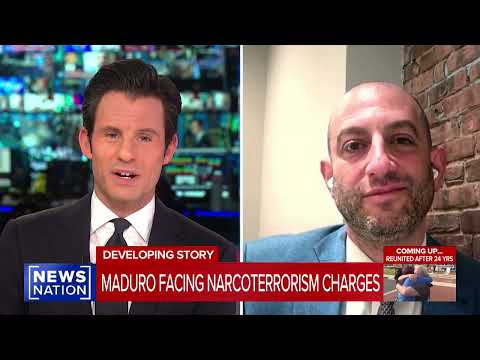
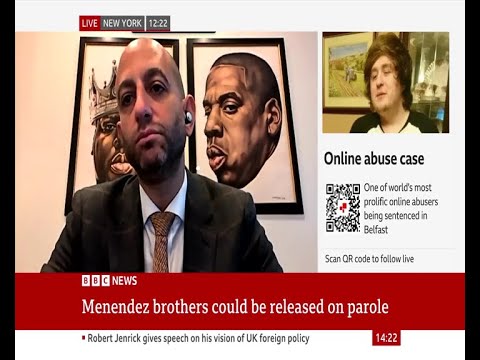
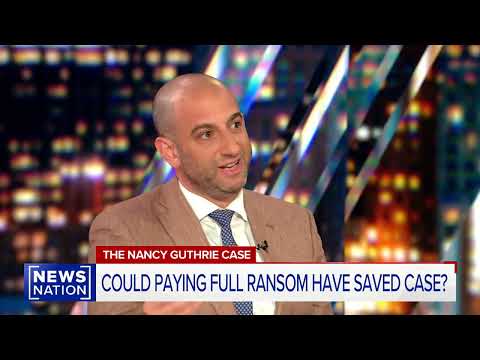
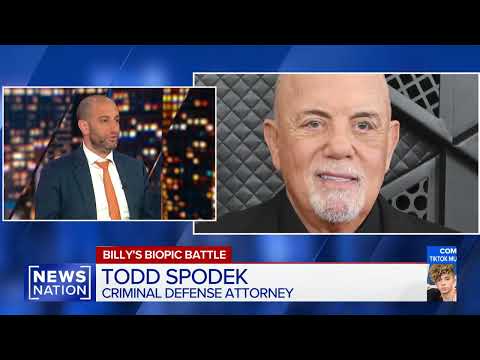
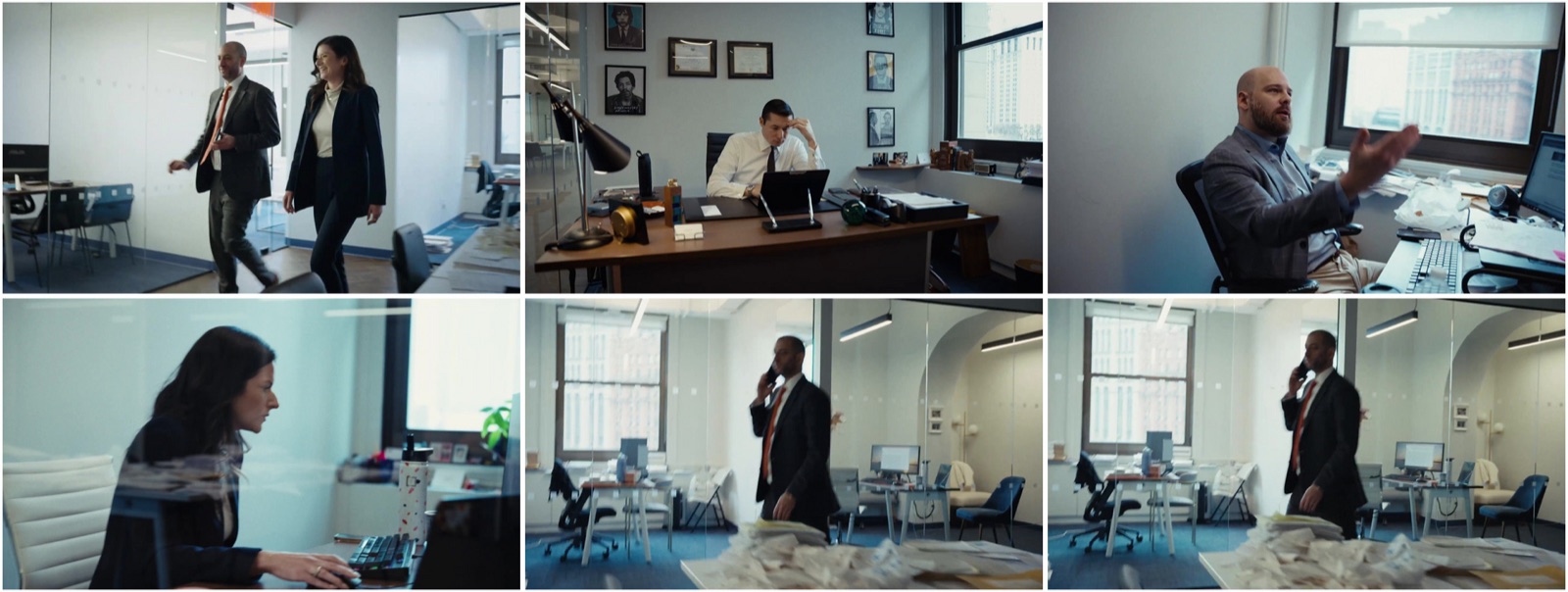
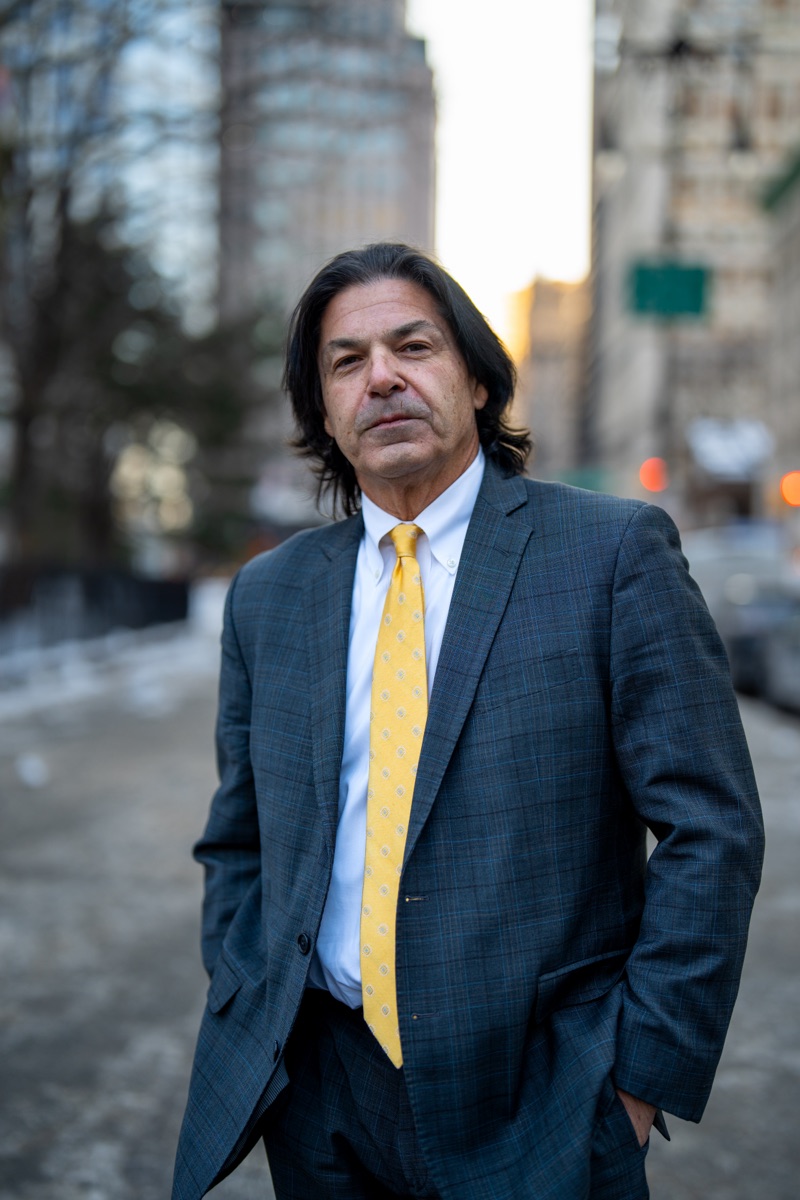
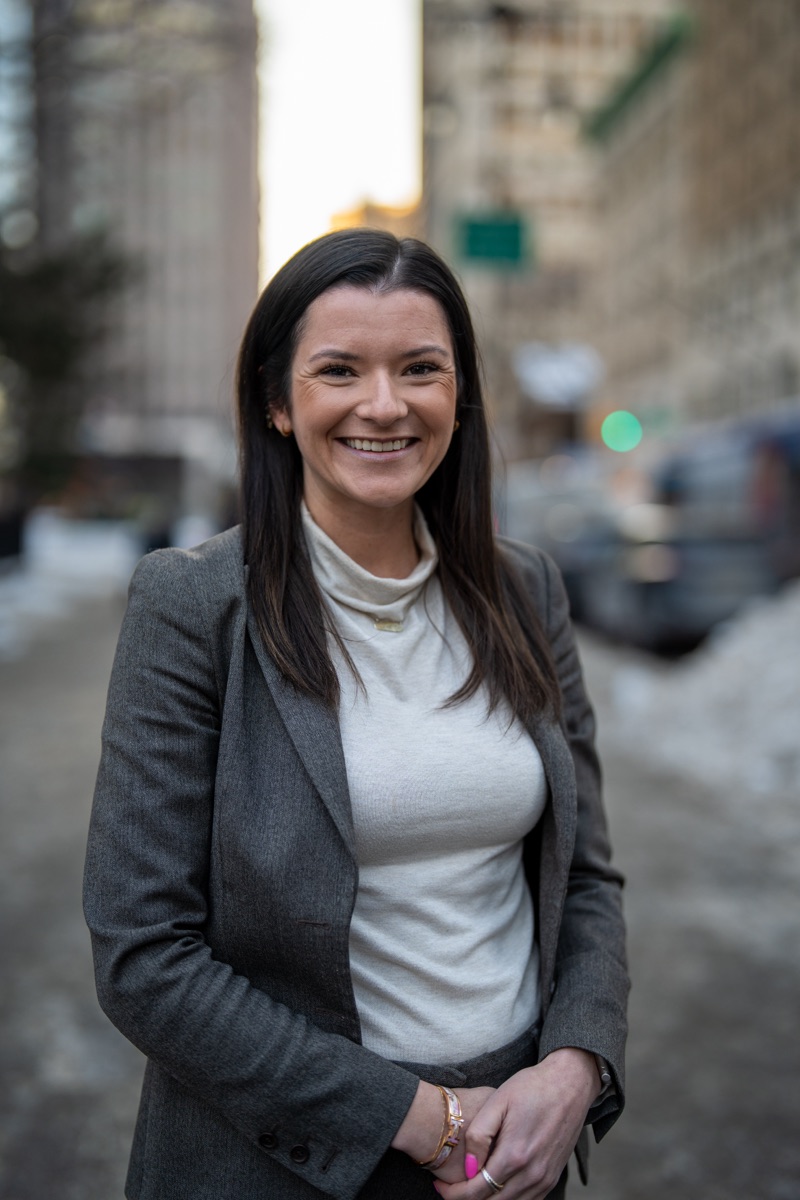
This bench answers its own phone. Put it on your case.



Tell us what happened. Eight fields, two minutes - and a lawyer reads it today.

Read us the first line of the letter. We’ll tell you what day you’re on.
Bring the envelope, the attachment, and your invoices if you have them. If you don’t have them, bring the letter. The consultation is risk-free, it stays between us, and it happens today - ask us anything, regardless of how long it takes.