They say you did it on purpose. That word carries the whole penalty.
For a household, the difference between an honest mistake and an intentional program violation is the difference between paying money back and losing benefits for a year, two years, or for life. IPV cases are decided at a state administrative disqualification hearing, or through a waiver that a household is often asked to sign without understanding it. The notice sets a deadline, and not appearing is usually treated as agreement.
We owe loyalty to only you.
When you’re looking online, you have multiple options. There are so many firms advertising SNAP defense. Thankfully, your search is over. Spodek Law Group P.C. offers premier white-glove service and we’re unafraid of fighting. Unlike firms that are more focused on their relationship with the agency than with you, we owe loyalty to only YOU. Your store, your family, your license.
One reason our firm has such a high success rate is that we’re selective about who we work with. If we’re choosing to work with you, it’s because we think we can make a positive impact. That’s vastly different from firms that take on any client willing to pay. When you reach out, you start with a risk-free consultation - and you can ask us anything you want, regardless of how long it takes.
If there’s a way to keep your store in the program, we’ll find it. That’s the whole job.
Most of these cases are about paperwork, not fraud.
Intent is the element. Everything else is arithmetic.
A household that reported, corrected, or misunderstood a notice isn’t a household that intended to defraud the program. That distinction is provable with documents and it’s what the hearing is actually about.
Get the hearing handledFour things to bring before the hearing date.
7 CFR 273.16
HOUSEHOLD DEFENSE
UPDATED 2026
IPV hearings, and the word that decides how long benefits stop
An intentional program violation isn’t an ordinary overpayment. When a state agency alleges an IPV, it’s alleging that a household knowingly made a false statement, withheld information, or misused benefits - and the finding carries a disqualification on top of repayment. First, second and subsequent findings carry escalating disqualification periods, and the most serious allegations can end participation permanently. The label is the penalty.
Most of these cases aren’t what the word fraud suggests. They come out of reporting rules that are genuinely hard to follow: a job that started mid-certification, hours that crept up, a relative who moved in for two months, benefits that continued in one state after a move to another. Data matching surfaces the discrepancy automatically, often long after it happened, and the notice arrives with an amount already calculated.
Two procedural facts matter more than anything else in the notice. First, there’s a deadline to request the administrative disqualification hearing, and failing to appear is generally treated as resolving the allegation against the household. Second, households are frequently offered a waiver of the hearing - a document that concedes the violation and its consequences. It’s signed regularly by people who believe they’re only agreeing to pay money back, and it should never be signed without advice.
The defense turns on intent, and intent is provable from records. Submitted change reports, recertification forms, portal messages, call logs and letters show what the household actually told the agency. Where a report was made and mishandled, or where the notice explaining the rule was never received or was sent in a language the household doesn’t read, the case for an intentional violation weakens considerably. Household circumstances - disability, literacy, a caregiver or a teenager who used the card - are relevant and this hearing is where they’re heard.
The arithmetic deserves attention too. Overissuance calculations rest on assumptions about income, household size and effective dates, and they’re frequently wrong. Even where repayment is appropriate, the amount is negotiable and collection has its own rules. Separating the money question from the intent question is often the difference between a manageable outcome and years without benefits.
If a notice of an IPV hearing or a waiver has arrived, don’t sign anything yet. Call today, bring the notice and whatever you filed with the agency, and we’ll tell you what the hearing is really deciding.
When the biggest cases break, we get the call. That same team answers your ten days.
When the networks need a federal file explained in plain English, they call us.
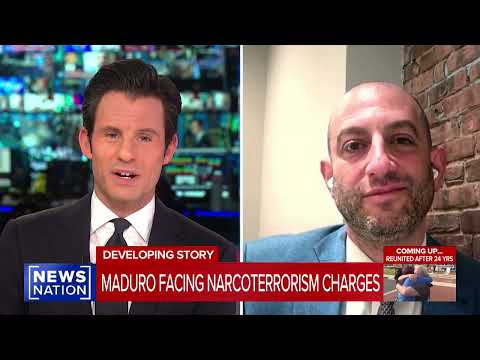
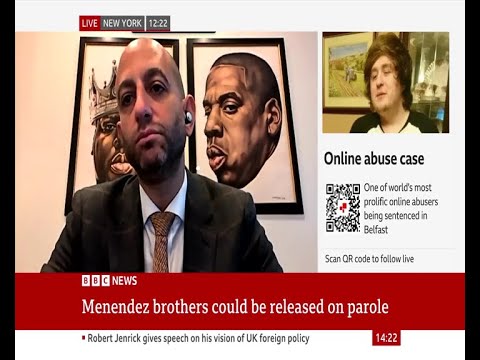
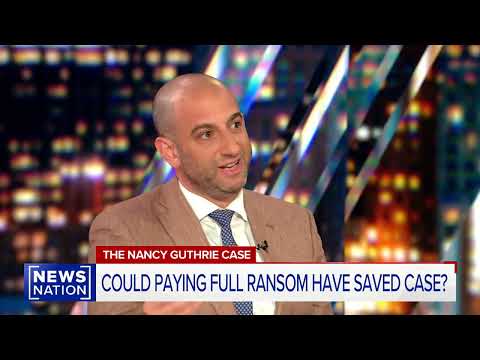
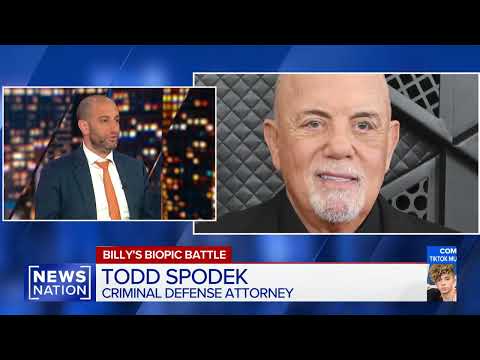
This bench answers its own phone. Put it on your case.






Tell us what happened. Eight fields, two minutes - and a lawyer reads it today.

Read us the first line of the letter. We’ll tell you what day you’re on.
Bring the envelope, the attachment, and your invoices if you have them. If you don’t have them, bring the letter. The consultation is risk-free, it stays between us, and it happens today - ask us anything, regardless of how long it takes.