Six months or five years. Same store, same file, different record.
Term disqualifications are the middle of the ladder, and unlike a permanent bar they end. What they cost is the months in between - and for most small stores, months without EBT is the same thing as closing. The rung your case lands on is a conclusion FNS drew from evidence it gathered without you, and it’s the most movable number in this entire regulation.
We owe loyalty to only you.
When you’re looking online, you have multiple options. There are so many firms advertising SNAP defense. Thankfully, your search is over. Spodek Law Group P.C. offers premier white-glove service and we’re unafraid of fighting. Unlike firms that are more focused on their relationship with the agency than with you, we owe loyalty to only YOU. Your store, your family, your license.
One reason our firm has such a high success rate is that we’re selective about who we work with. If we’re choosing to work with you, it’s because we think we can make a positive impact. That’s vastly different from firms that take on any client willing to pay. When you reach out, you start with a risk-free consultation - and you can ask us anything you want, regardless of how long it takes.
If there’s a way to keep your store in the program, we’ll find it. That’s the whole job.
Every step down the ladder is months of authorization.
You’re not arguing innocence. You’re arguing the number.
FNS has already chosen a rung. Everything in the response is aimed at one of three outcomes: no violation, a lower rung, or money instead of months. All three are built from the same documents.
Argue the number todayThe rung is decided by four kinds of paper.
7 CFR 278.6(e)(2)-(8)
RETAILER DEFENSE
UPDATED 2026
Term disqualifications, and why the number on the letter isn’t the number
The regulation prices SNAP violations before anyone reads the store’s side. 7 CFR 278.6(e) sets out a ladder of terms: roughly six months where the record shows carelessness or poor supervision, a year for a pattern involving common nonfood items, three years where the items were costly or conspicuous or where a one-year term came before, five years on a second sanction after a three-year term, and permanent disqualification on any third sanction. The charge letter tells you which rung FNS picked.
That choice is a conclusion, not a fact. It rests on characterizations - whether the conduct was a pattern, whether the items were conspicuous, whether the store was careless or deliberate - and characterizations move when documents contradict them. This is the most negotiable part of SNAP enforcement, and it’s negotiated inside the ten days the letter allows, not afterwards.
Proportion does most of the work. If forty transactions out of eleven thousand were flagged, the claim that the store operated a practice is weak, and the case belongs on the carelessness rung at worst. Itemized register data does the rest: FNS works from dollar amounts and dates, so producing the actual basket for a flagged sale frequently shows either that the goods were eligible or that a single small item rode along on an otherwise ordinary grocery sale. Those two moves alone have taken years off letters we have answered.
Then there’s the money alternative most owners never hear about. Where a term disqualification would cause hardship to participating households - the standard case being a neighborhood with no comparable store within a reasonable distance - 7 CFR 278.6(f) permits FNS to impose a civil money penalty instead. It’s a geographic and demographic showing, built from distances, transit and shopper facts, and it has to be made in the response rather than after the terminal goes quiet.
One long-term point deserves its own paragraph. Terms escalate off prior sanctions automatically, and a third sanction of any kind is permanent. Owners who take a six-month term without counsel because it feels survivable are making a decision about the store years later, when the next letter arrives and the ladder starts from a higher rung. The cheapest time to keep a record clean is the first time.
If a term is on your letter, treat the number as an opening position. Call today, bring the attachment and your transaction totals, and we’ll tell you which rung the evidence actually supports.
When the biggest cases break, we get the call. That same team answers your ten days.
When the networks need a federal file explained in plain English, they call us.



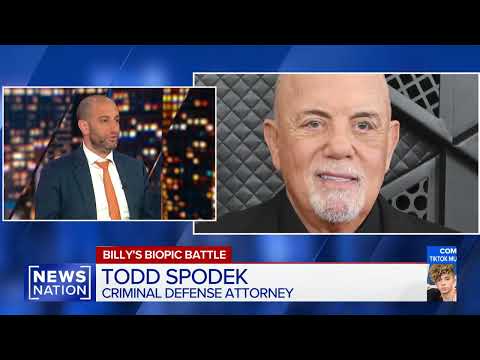
This bench answers its own phone. Put it on your case.






Tell us what happened. Eight fields, two minutes - and a lawyer reads it today.

Read us the first line of the letter. We’ll tell you what day you’re on.
Bring the envelope, the attachment, and your invoices if you have them. If you don’t have them, bring the letter. The consultation is risk-free, it stays between us, and it happens today - ask us anything, regardless of how long it takes.