A New York store has ten days to answer the USDA.
In New York, SNAP benefits are issued by the Office of Temporary and Disability Assistance - but the letter threatening your authorization isn’t a state letter. It comes from USDA’s Food and Nutrition Service, and it gives you ten days from receipt under 7 CFR 278.6(b)(1). New York City bodegas are the most heavily flagged retail in the country, and upstate the profile flips to a single grocery per town. We defend New York retailers on that clock, from anywhere in the country, and the first conversation costs nothing.
We owe loyalty to only you.
When you’re looking online, you have multiple options. There are so many firms advertising SNAP defense. Thankfully, your search is over. Spodek Law Group P.C. offers premier white-glove service and we’re unafraid of fighting. Unlike firms that are more focused on their relationship with the agency than with you, we owe loyalty to only YOU. Your store, your family, your license.
One reason our firm has such a high success rate is that we’re selective about who we work with. If we’re choosing to work with you, it’s because we think we can make a positive impact. That’s vastly different from firms that take on any client willing to pay. When you reach out, you start with a risk-free consultation - and you can ask us anything you want, regardless of how long it takes.
If there’s a way to keep your store in the program, we’ll find it. That’s the whole job.
Six things New York owners need straight before they answer.
Ten days, New York or anywhere else. Same discipline.
There’s no hearing and no oral argument in this stage. Whatever is filed inside the ten days is the whole case for the store, so it gets built in a fixed order.
Have your letter read todayFour documents, already inside your New York store.
SNAP violation defense in New York: who decides, what they see, and what to file
The charge letter itself doesn’t come from a state office. In New York the Office of Temporary and Disability Assistance runs SNAP for households, but retailer sanctions belong to USDA’s Food and Nutrition Service, whose Northeast Region operates out of Boston. That distinction matters on day one, because owners lose time calling the wrong agency. The window is ten days from receipt under 7 CFR 278.6(b)(1), with no extensions granted.
New York City bodegas are the most heavily flagged retail in the country, and upstate the profile flips to a single grocery per town. Bodegas and upstate groceries produce redemption patterns that have nothing in common with the stores ALERT chooses as peers. Most cases here begin with ALERT - the Anti-Fraud Locator using EBT Retailer Transactions. Its weakness is the comparison: the model picks peers it believes are similar and is often wrong.
A trafficking finding supports a permanent bar under 278.6(e)(1), whether or not the owner knew. The regulation reaches conduct by personnel of the firm, so a clerk’s act is attributed to the store and the owner’s knowledge isn’t a defense to the finding. The penalty in lieu is the only door, and it opens only for firms that ask in writing on time. 278.6(b)(2)(iii) bars the penalty entirely if the request misses the ten days.
What actually moves a New York case is documentary. Wholesale invoices, POS exports and shelf counts do the work. Where the charge is a pattern of ineligible items rather than trafficking, the sanction is a term on the ladder at 7 CFR 278.6(e) - six months to five years - and proportion, itemized baskets and a documented compliance program are what pull it down a rung.
After a determination, 7 CFR 279 review moves the file outside the office that charged you. Finally, a de novo action under 7 U.S.C. 2023 must be filed within thirty days. For New York retailers that means the Northern, Southern, Eastern and Western Districts of New York, and it means the review record you build now is the record a judge reads later.
If a charge letter is sitting on the counter of your New York store, the ten days are already running. Call today, read us the first line, and bring the attachment - we’ll tell you what day you’re on and what can still be filed.
When the biggest cases break, we get the call. That same team answers your ten days.
When the networks need a federal file explained in plain English, they call us.
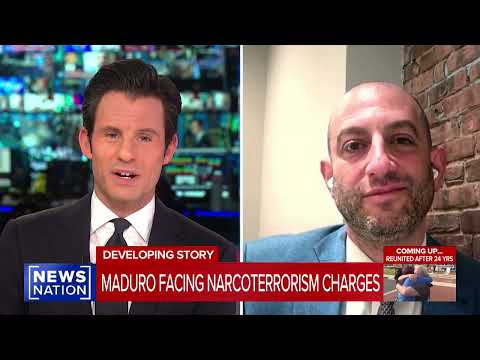
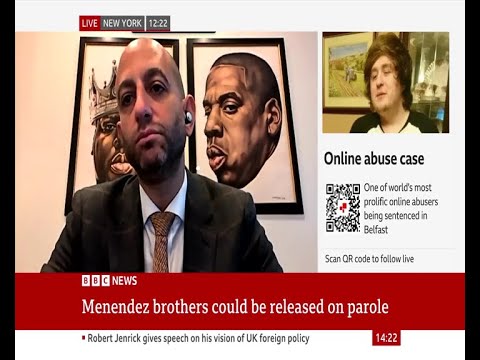
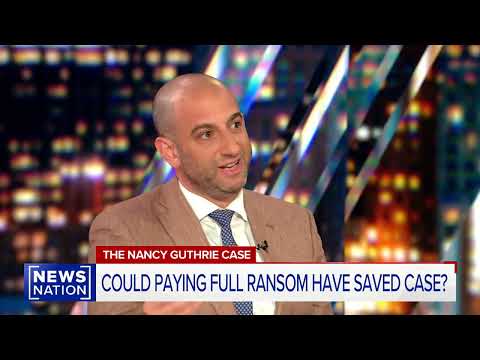
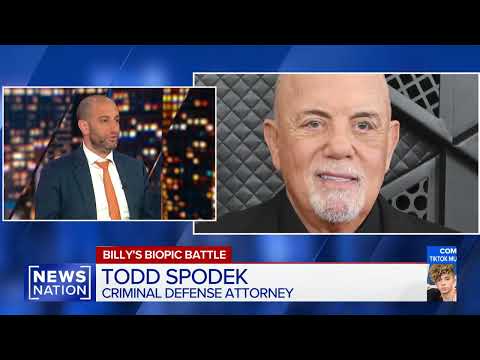
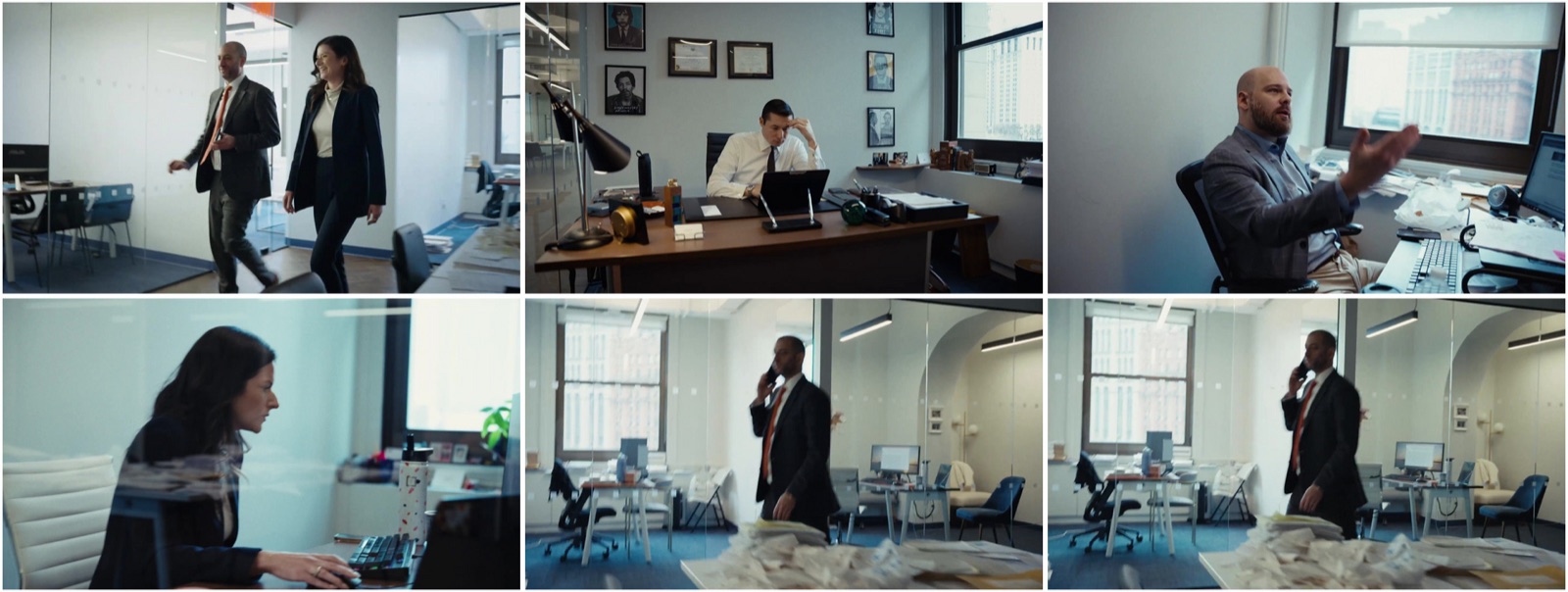
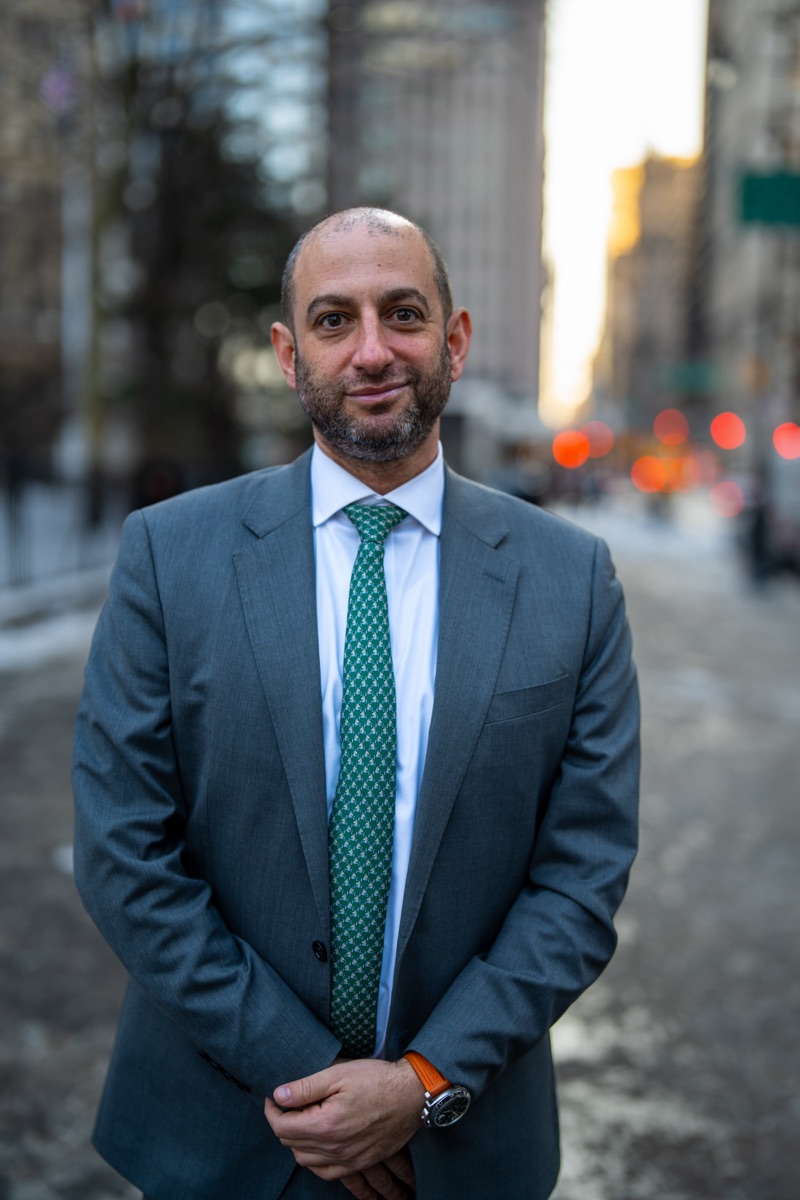
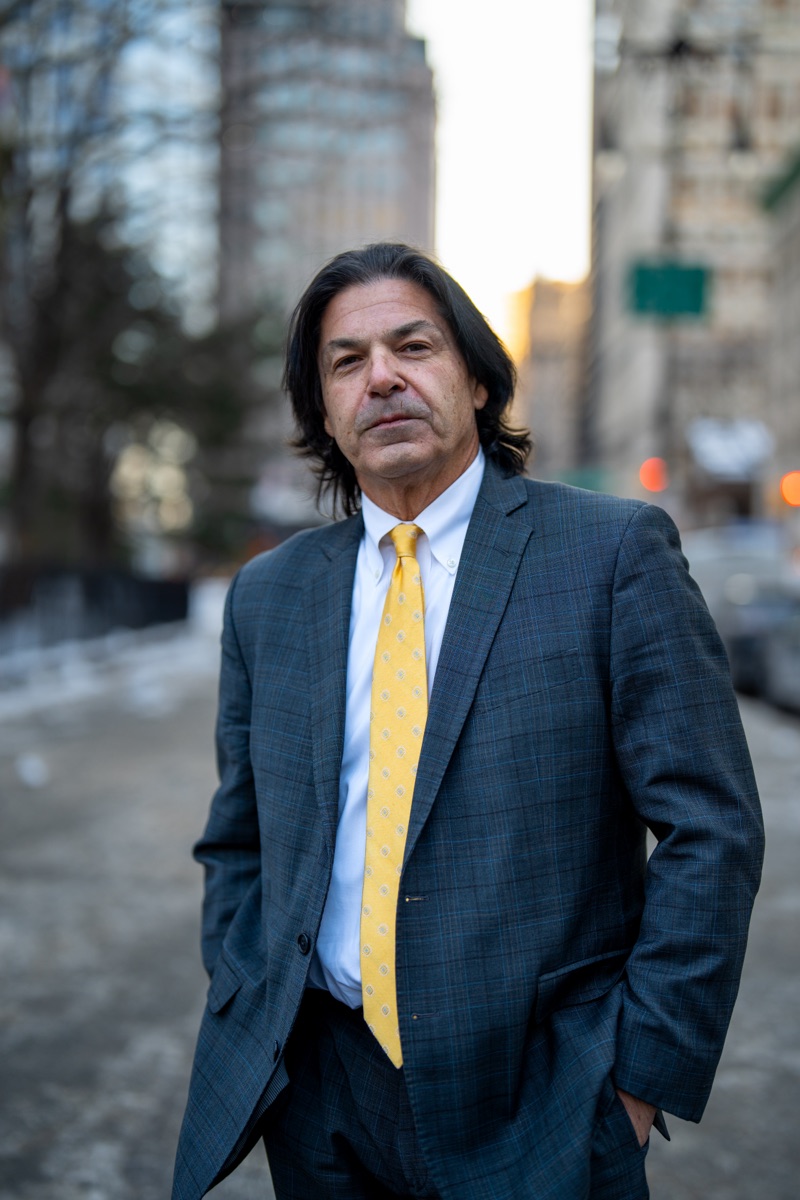
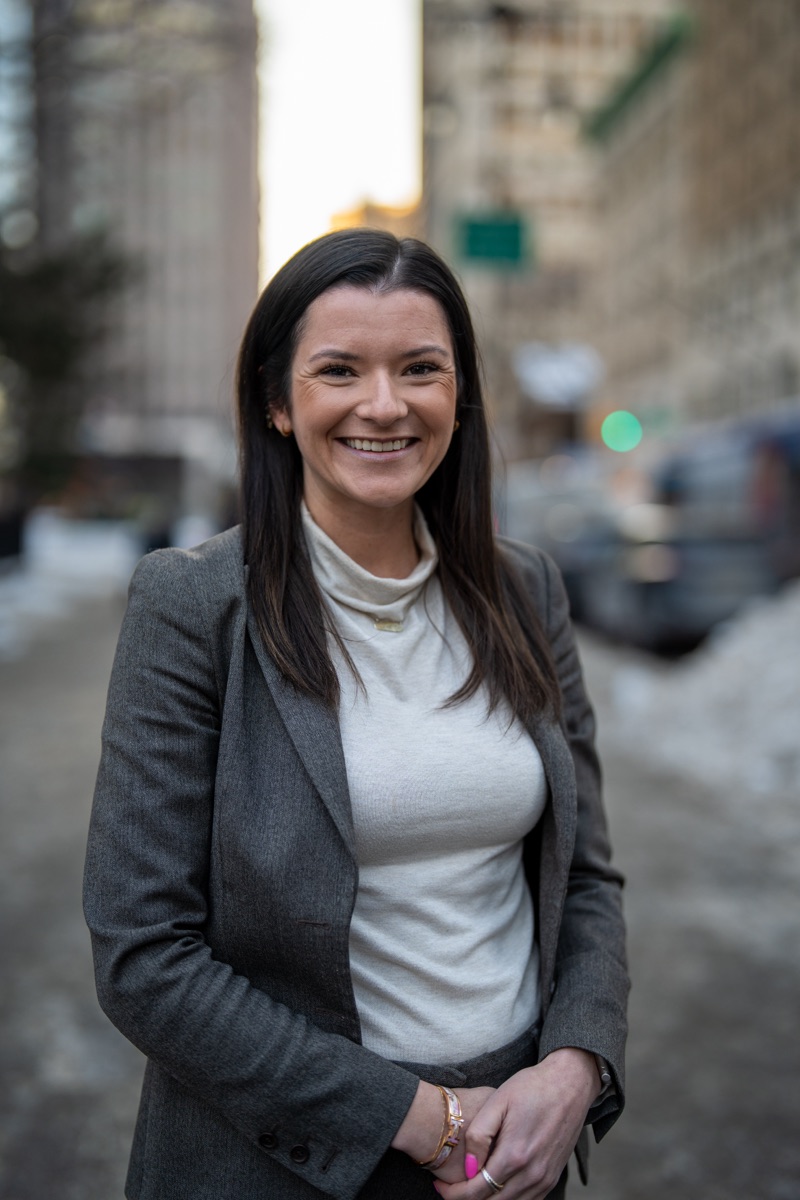
This bench answers its own phone. Put it on your case.


Tell us what happened. Eight fields, two minutes - and a lawyer reads it today.
Read us the first line of the letter. We’ll tell you what day you’re on.
Bring the envelope, the attachment, and your invoices if you have them. If you don’t have them, bring the letter. The consultation is risk-free, it stays between us, and it happens today - ask us anything, regardless of how long it takes.