What are the four criteria for a SNAP civil money penalty?
7 CFR 278.6(b)(1)
We owe loyalty to only you.
When you’re looking online, you have multiple options. There are so many firms advertising SNAP defense. Thankfully, your search is over. Spodek Law Group P.C. offers premier white-glove service and we’re unafraid of fighting. Unlike firms that are more focused on their relationship with the agency than with you, we owe loyalty to only YOU. Your store, your family, your license.
One reason our firm has such a high success rate is that we’re selective about who we work with. If we’re choosing to work with you, it’s because we think we can make a positive impact. That’s vastly different from firms that take on any client willing to pay. When you reach out, you start with a risk-free consultation - and you can ask us anything you want, regardless of how long it takes.
If there’s a way to keep your store in the program, we’ll find it. That’s the whole job.
The regulation calls them minimum standards, which is the important word. They aren’t a scoring system where three out of four earns partial credit. Published agency decisions routinely deny penalty requests where a single criterion was thin.
Criterion 1 and 2 - the policy, and when it existed
FNS looks for written and dated statements of firm policy reflecting a real commitment to preventing violations. Then it asks whether that policy and program were in operation at the location where the violations occurred, before they occurred. A policy drafted the week the charge letter arrived proves the opposite of what it needs to prove.
Criterion 3 - training you can document
Not that you told people. That you trained them, and can show it: signed and dated acknowledgements, ideally for the clerks who worked the flagged shifts, plus whatever materials the training used. This is where most requests fail and where most stores could have won.
Criterion 4 - ownership clear of it
A factual showing that ownership didn’t know, approve, benefit or participate. Schedules, till assignments, the write-up or termination that followed, and payroll records do more work here than any statement. Firearms or controlled-substance trafficking by ownership or management removes eligibility entirely, as does a third trafficking offense.
When the biggest cases break, we get the call. That same team answers your ten days.
When the networks need a federal file explained in plain English, they call us.


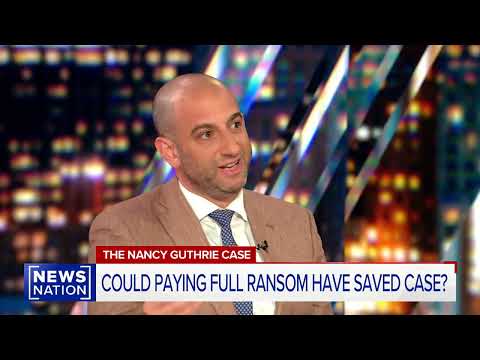
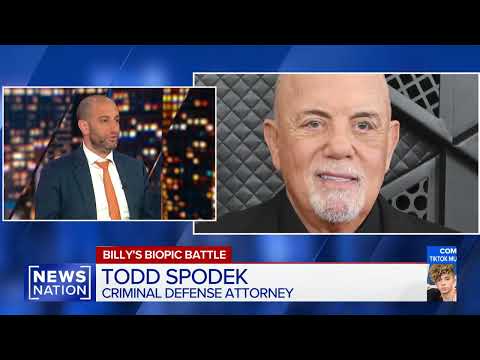
This bench answers its own phone. Put it on your case.
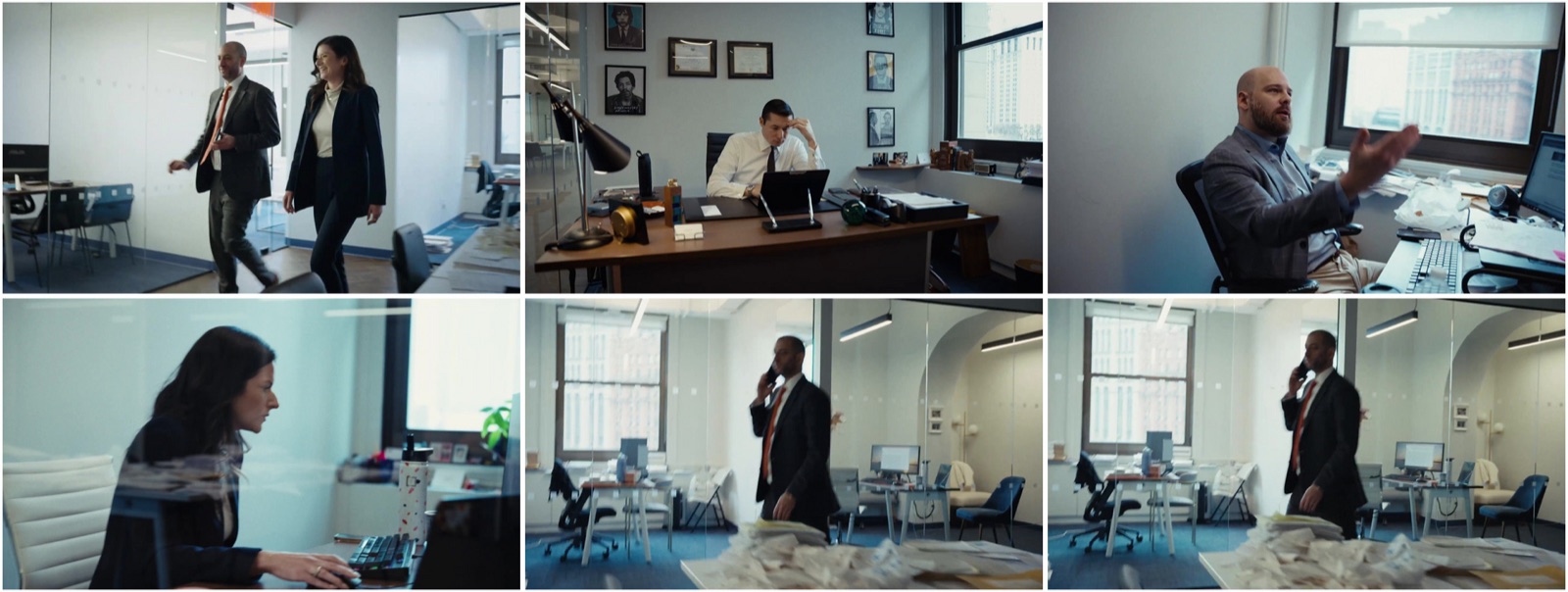





Tell us what happened. Eight fields, two minutes - and a lawyer reads it today.

Read us the first line of the letter. We’ll tell you what day you’re on.
Bring the envelope, the attachment, and your invoices if you have them. If you don’t have them, bring the letter. The consultation is risk-free, it stays between us, and it happens today - ask us anything, regardless of how long it takes.