What is ALERT, and how did it flag my store?
7 CFR 278.6(b)(1)
We owe loyalty to only you.
When you’re looking online, you have multiple options. There are so many firms advertising SNAP defense. Thankfully, your search is over. Spodek Law Group P.C. offers premier white-glove service and we’re unafraid of fighting. Unlike firms that are more focused on their relationship with the agency than with you, we owe loyalty to only YOU. Your store, your family, your license.
One reason our firm has such a high success rate is that we’re selective about who we work with. If we’re choosing to work with you, it’s because we think we can make a positive impact. That’s vastly different from firms that take on any client willing to pay. When you reach out, you start with a risk-free consultation - and you can ask us anything you want, regardless of how long it takes.
If there’s a way to keep your store in the program, we’ll find it. That’s the whole job.
Most owners assume someone watched the register. Usually nobody did. FNS monitors every authorized retailer’s EBT activity and compares each store’s pattern against a peer group the system builds from size, type and location. Where your numbers diverge, the divergence gets printed and attached to a letter.
What the system treats as suspicious
Repeated transactions on the same household card in a short window. Amounts landing on round dollars, or the same figure repeating across days. A household’s whole monthly benefit spent in one or two swipes. Redemptions larger than your shelf space, coolers or invoices appear to support. Volume well above comparable stores on the same few blocks. Manually keyed card numbers where neighbors swipe.
Why the comparison is the weak point
Every item on that list is also an ordinary fact about a store serving a dense block with no supermarket, a community that shops in bulk, or a butcher selling meat by weight. The peer group is assumed rather than verified, which makes it the most attackable part of the case - and the reason a documented alternative explanation moves the file.
How the printout gets answered
Line by line. Each flagged transaction gets a customer, a basket and a reason, supported by itemized register data, wholesale invoices, inventory counts, delivery logs and photographs. FNS decides on the most probable explanation, so supplying a better one - with paper - is the entire exercise.
When the biggest cases break, we get the call. That same team answers your ten days.
When the networks need a federal file explained in plain English, they call us.
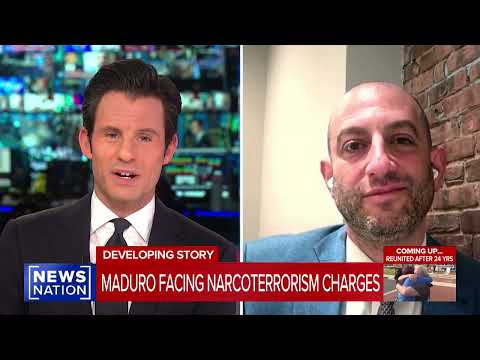
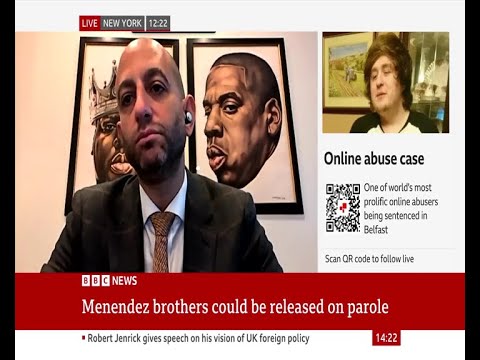
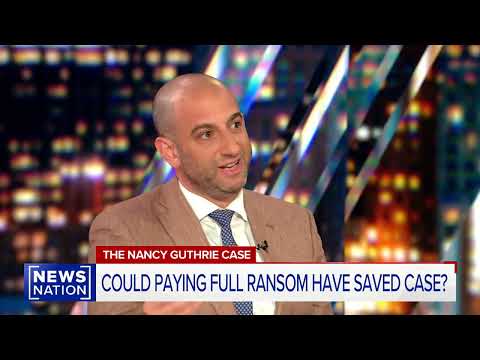
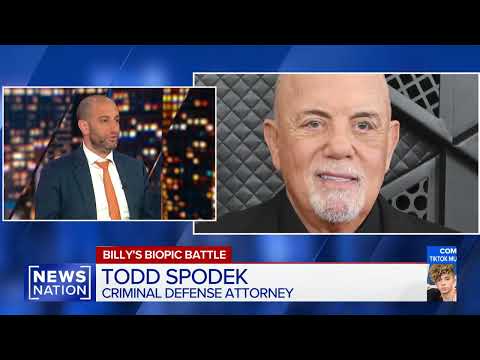
This bench answers its own phone. Put it on your case.





Tell us what happened. Eight fields, two minutes - and a lawyer reads it today.

Read us the first line of the letter. We’ll tell you what day you’re on.
Bring the envelope, the attachment, and your invoices if you have them. If you don’t have them, bring the letter. The consultation is risk-free, it stays between us, and it happens today - ask us anything, regardless of how long it takes.